Ptosis Repair
Eyelid ptosis repair is a surgical procedure that corrects drooping upper eyelids, helping improve vision, eyelid symmetry, and overall appearance. Read below to learn more about the procedure, its benefits, and what to expect during recovery.
What is Ptosis?
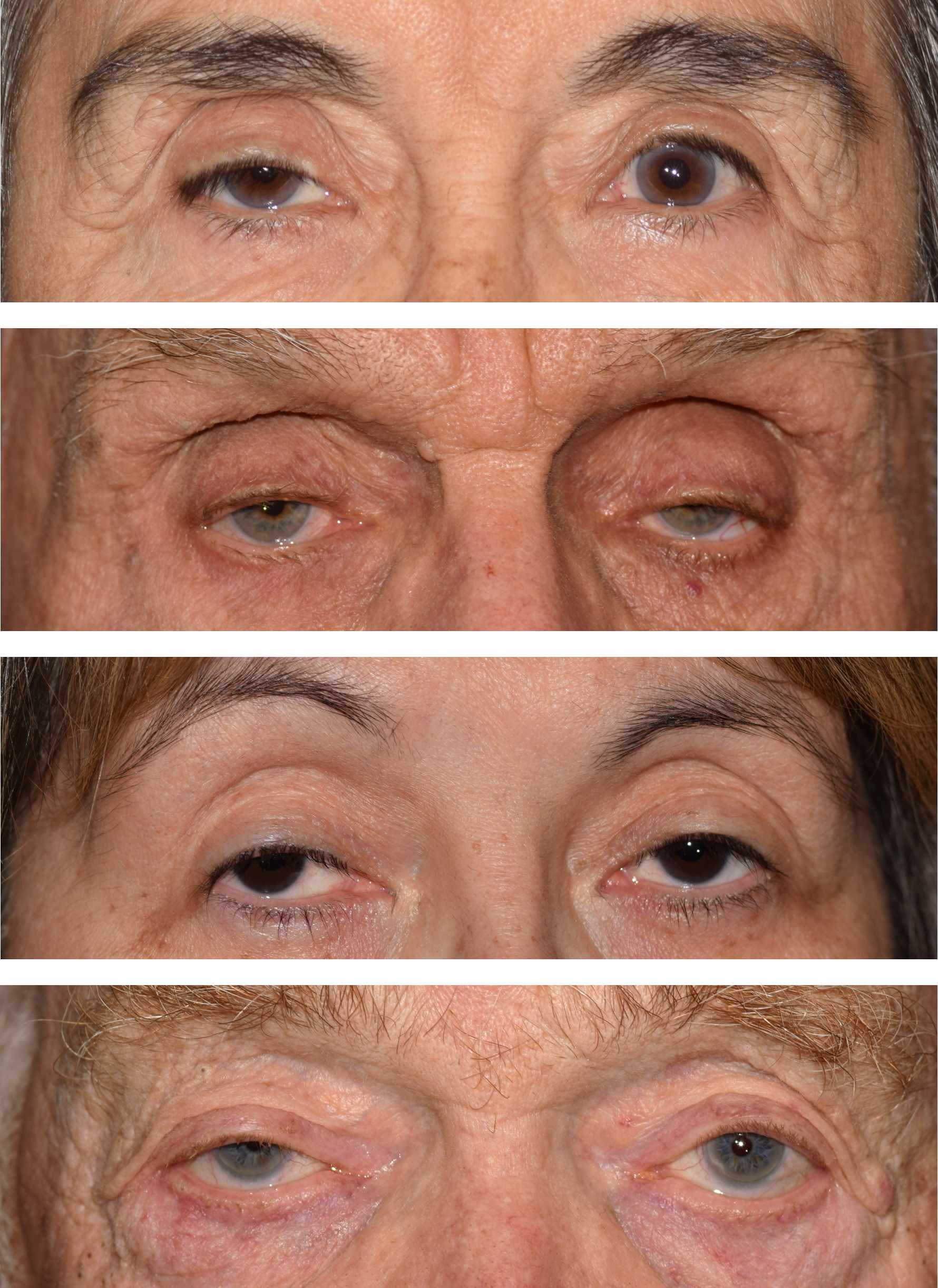
Ptosis is a droopy eyelid caused most commonly by stretching of levator aponeurosis, the eyelid lifting muscle, over time. Patients with ptosis may notice difficulties with their peripheral vision during activities such as driving, reading, and watching TV, and may have a sense of eye strain or headache. There are other causes of ptosis as well, including neurologic, traumatic, congenital, and familial reasons. An important part of your exam will be determining the cause of your ptosis.
What is the difference between
ptosis and dermatochalasis?
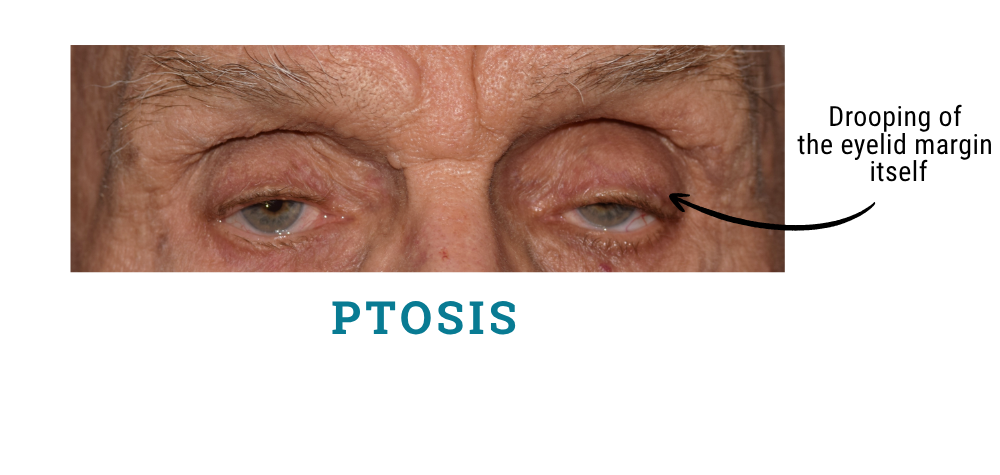
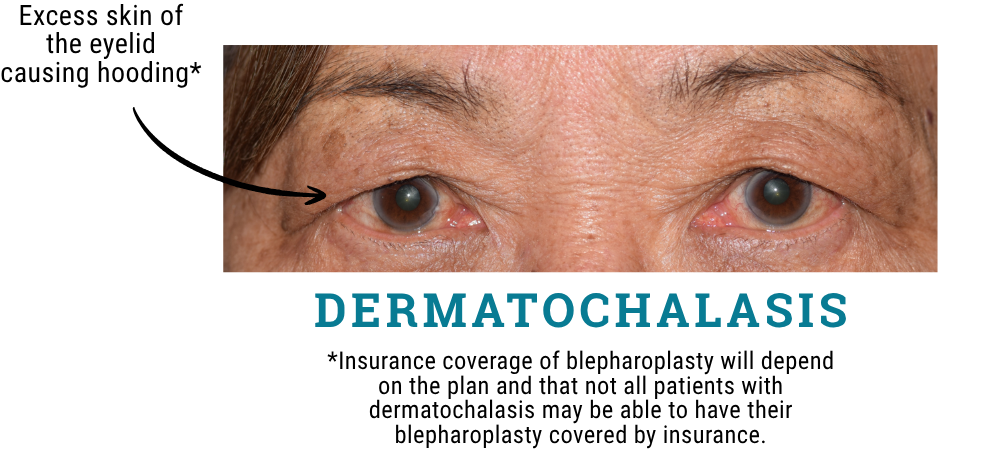
Dermatochalasis and ptosis are commonly confused, especially since many people have both conditions concurrently. Dermatochalasis is excess skin of the eyelid, causing hooding over an otherwise normally positioned eyelid. On the other hand, ptosis is drooping of the eyelid margin itself, causing the eyelid to partially obstruct your pupil in many cases. It can often be hard to distinguish between the two, but your doctor will examine you carefully at your visit to determine the cause of your heaviness.
Will I look surprised after surgery?
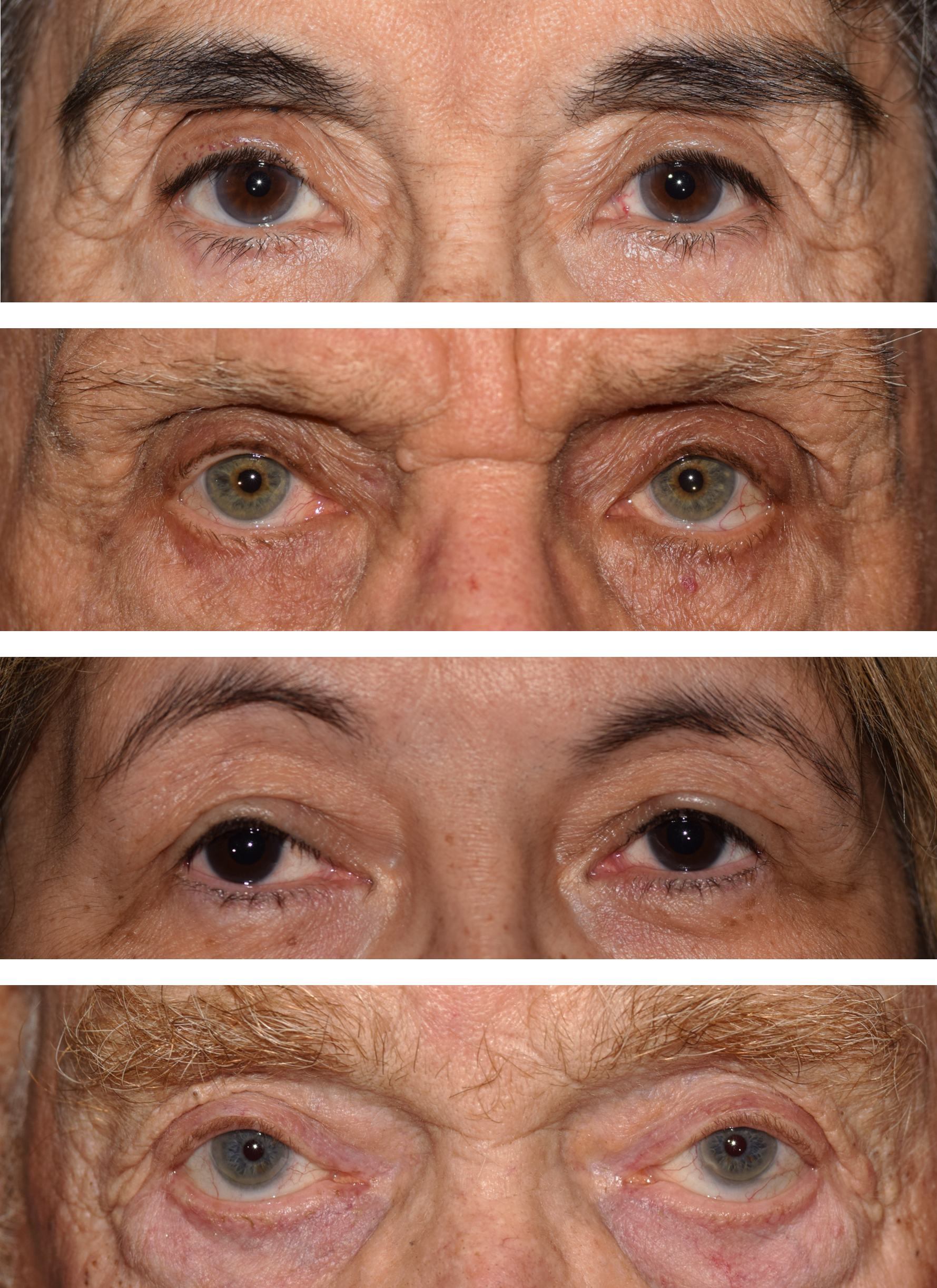
The goal of surgery is to lift the eyelid margin to above the level of your pupil without leaving the eye excessively wide open, or surprised looking. Dr. Yu and Dr. Pelton are fellowship trained surgeons who specialize specifically in the eyelid, and have extensive experience with the eyelid. Your surgeon will work carefully with you to bring you the best possible results.
All patients leave with Dr. Pelton's and Dr. Yu's personal contacts after their procedure so they can reach out with any questions or concerns.
-
Ptosis repair often is covered by insurance, depending on if it is causing visual obstruction and the degree of ptosis. Depending on your insurance plan, the criteria will vary, and additional testing may be required. Our team will submit your case for prior authorization prior to your procedure and you will receive a call from our office to confirm whether or not your insurance has approved this procedure for you.
Dr. Pelton and Dr. Yu will carefully evaluate you at your appointment to see if insurance requirements can be met. -
Ptosis can be corrected through surgery, and when the droopy eyelid is blocking your vision, often this procedure can be covered by your insurance. Surgical approaches include anterior, posterior, and, in cases where the eyelid lifting muscles do not function normally, include flaps or slings fashioned to your eyebrow lifting muscle. There are advantages and disadvantages to each type of procedure. For example, the internal ptosis repair, also called Müller's Muscle-Conjunctival Resection (MMCR), has the benefit of having no visible scar as all incisions are made on the inside of your eyelid. However, this procedure is only effective for those with mild to moderate ptosis, and some patients with other eye conditions such as glaucoma may not be candidates for this approach. Your surgeon will thoroughly examine you and discuss with you the best approach to your repair.
-
Some patients have congenital ptosis, meaning that the eyelid lifting muscles did not develop normally in utero. This causes drooping of the eyelid that is noticeable within the first year of life. More commonly this is related to muscle dysgenesis (muscle fibers are replaced by abnormal fatty / fibrotic tissue), but can also be caused by abnormal nerve innovation to the eyelid lifting muscles. Correction of congenital ptosis can occur during childhood if it is causing visual obscuration or concern for abnormal visual development, or in adulthood. Surgical correction of congenital ptosis is typically performed via either a levator resection, frontalis flap, or frontalis sling. Your doctor will discuss the pros/cons of each approach with you to select the optimal approach for you (or your child).
Before & Afters
-
![]()
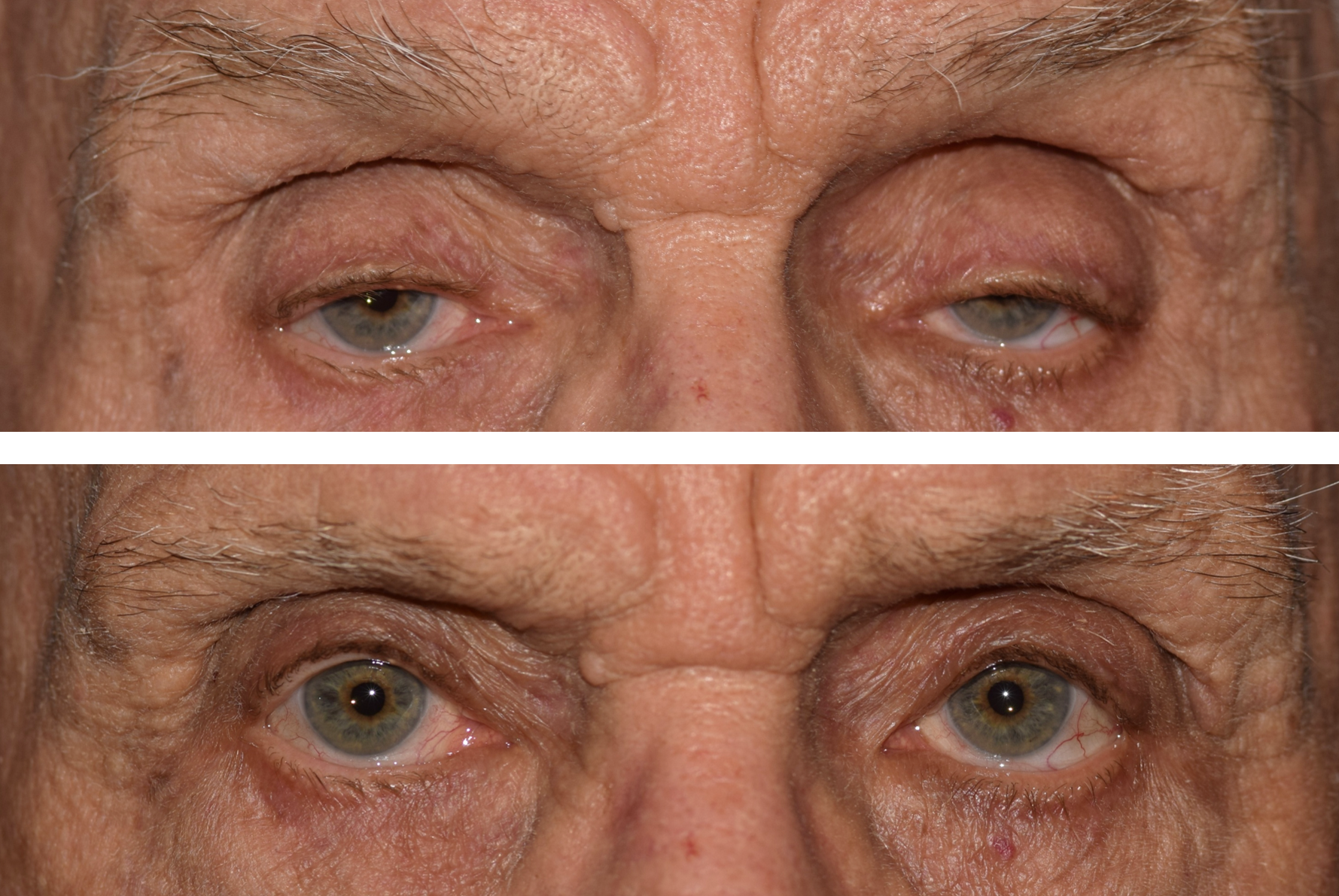
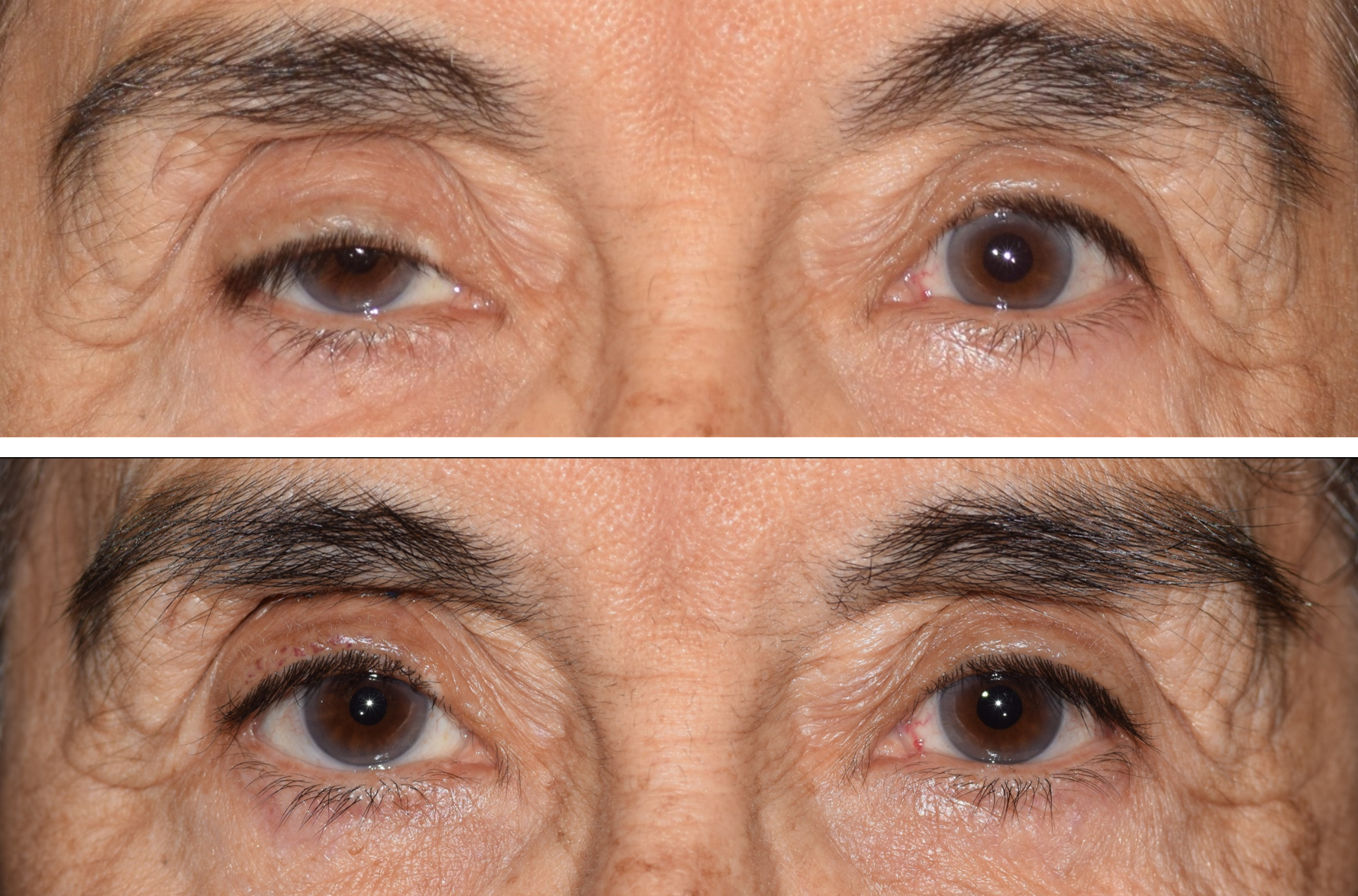
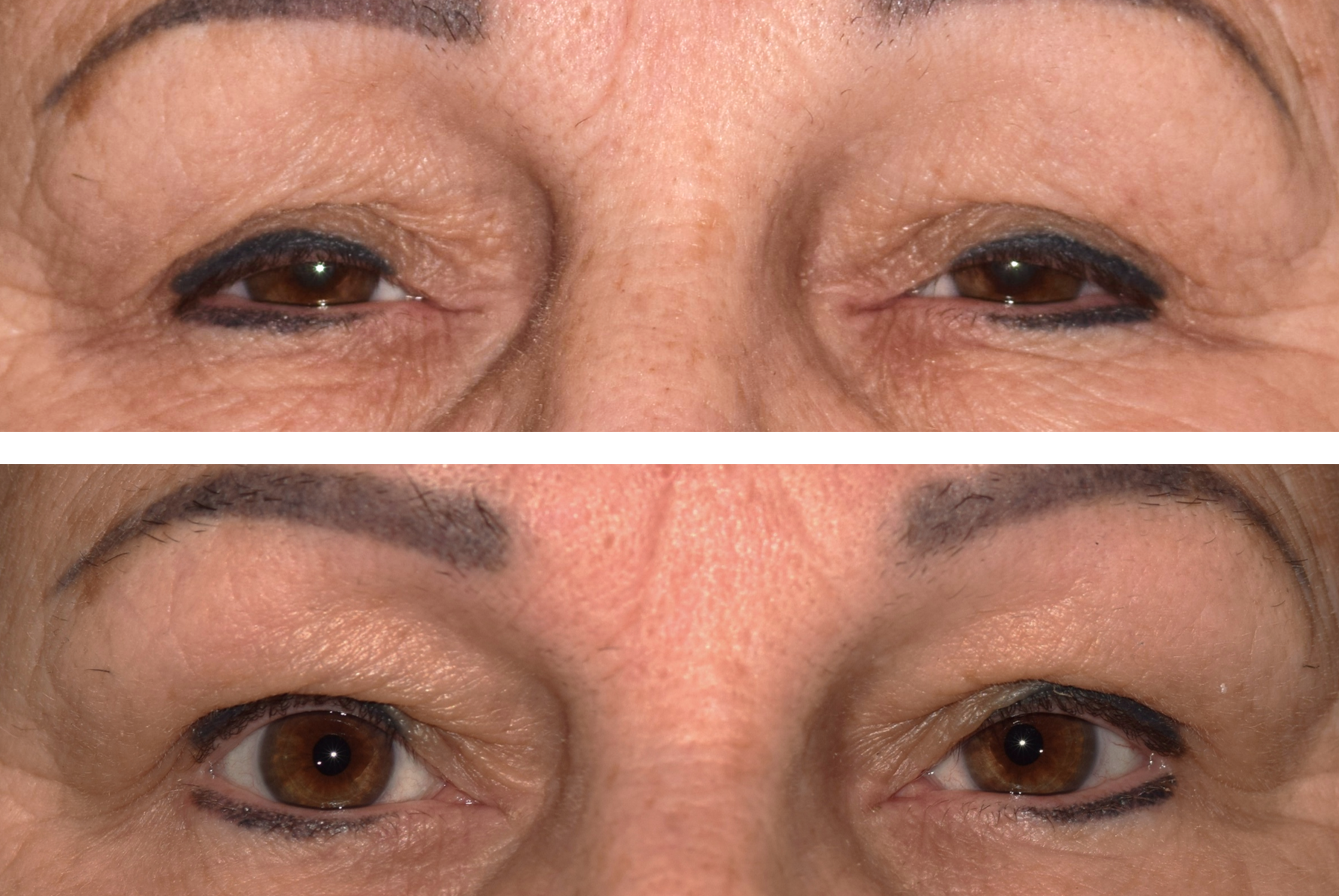
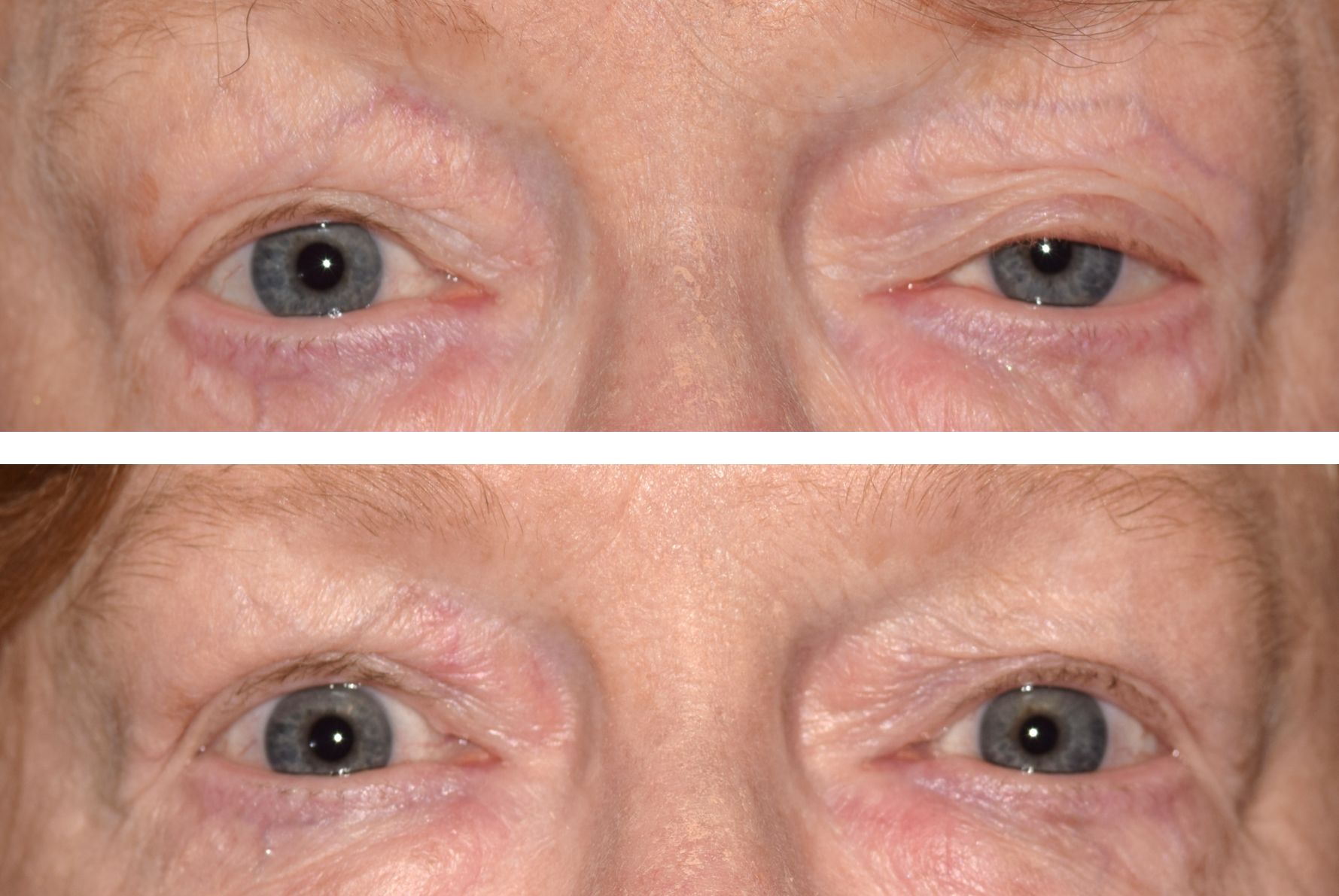
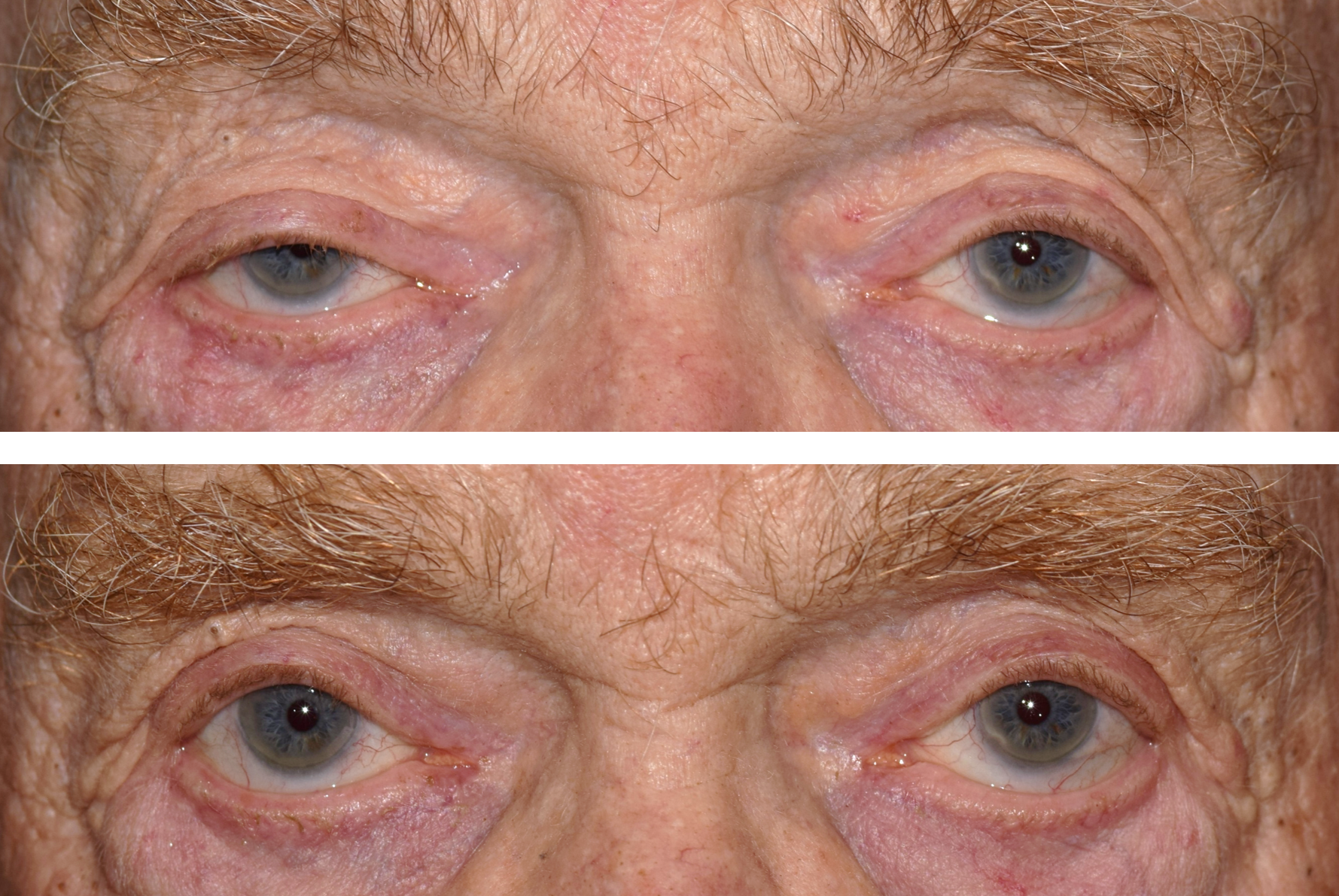
bilateral ptosis repair
-
![]()
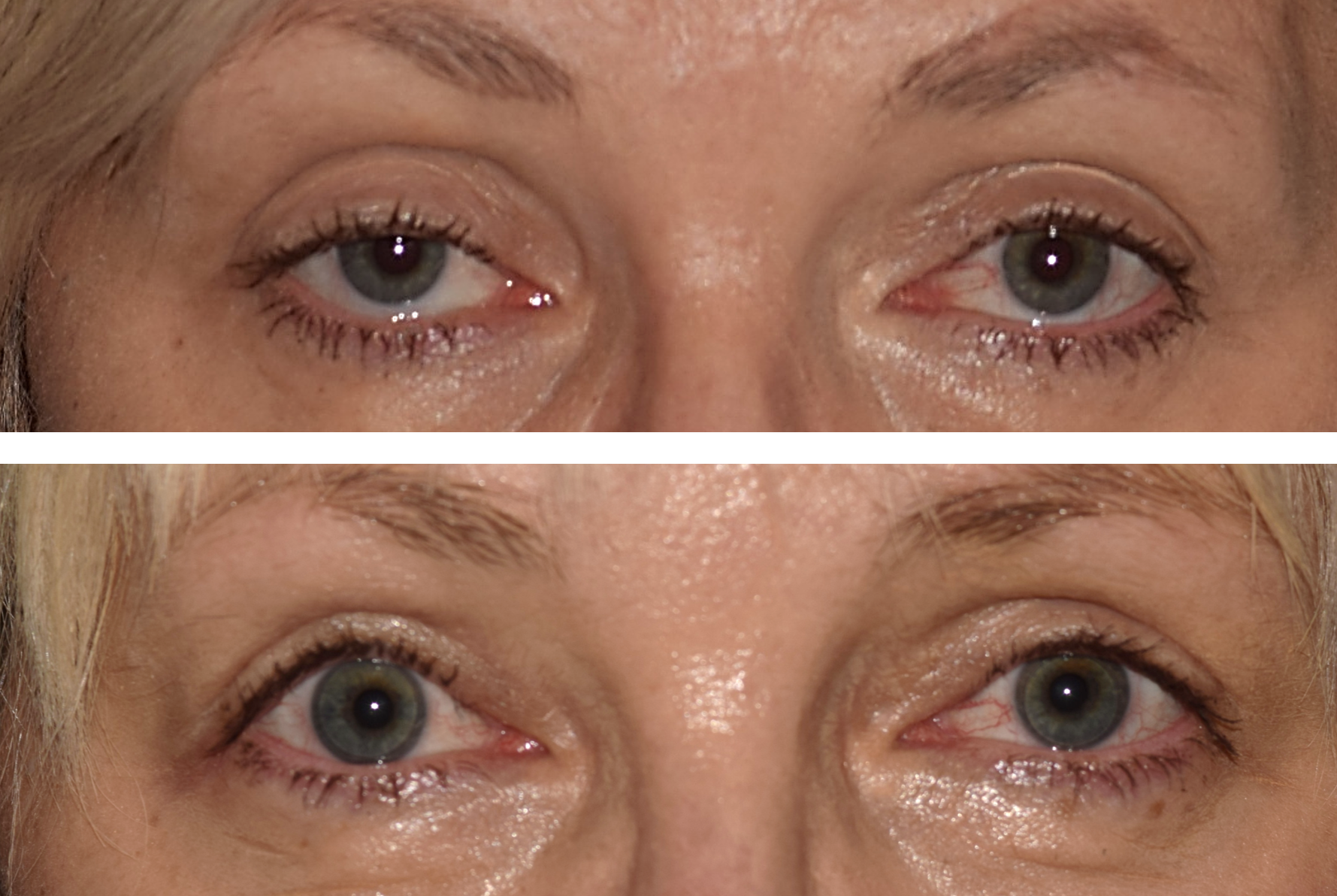
Right-sided ptosis repair
-
![]()
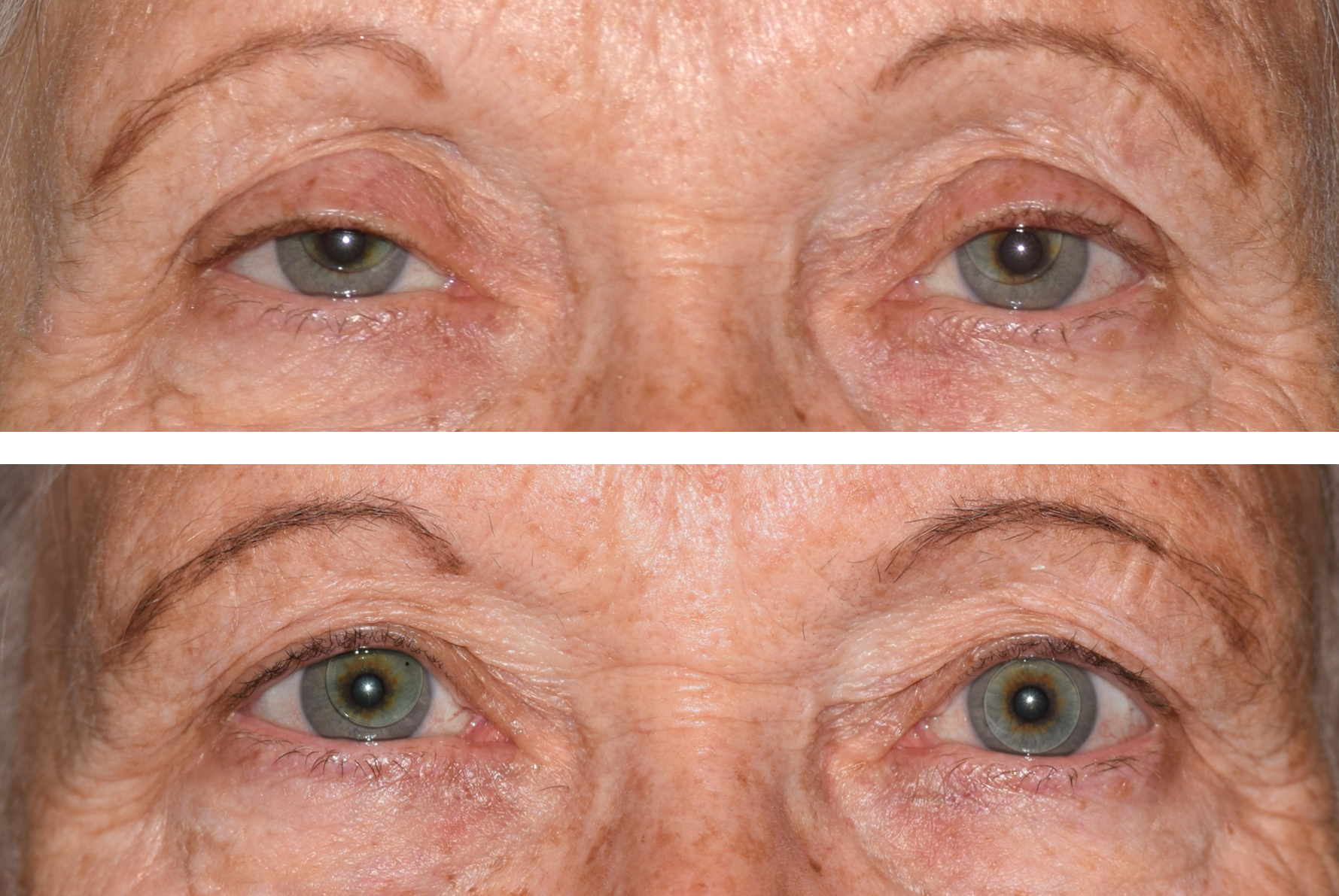
bilateral ptosis repair
-
![]()
bilateral ptosis repair
-
![]()
left-sided ptosis repair
-
![]()
bilateral ptosis repair
-
![]()
bilateral ptosis repair
-
![]()
bilateral ptosis repair
-
![This is a before and after photo of a patient that got ptosis surgery performed by Dr. Ron Pelton. Ptosis repair lifts the eyelid improving vision and appearance]()
Bilateral Ptosis Repair