Blepharoplasty
Blepharoplasty, or eyelid surgery, is a popular procedure that refreshes the appearance of the eyes by addressing excess skin, visual field loss, and under-eye bags. Read below to learn more about how upper and lower blepharoplasty can help you achieve a brighter, more youthful appearance.
What is an upper blepharoplasty?
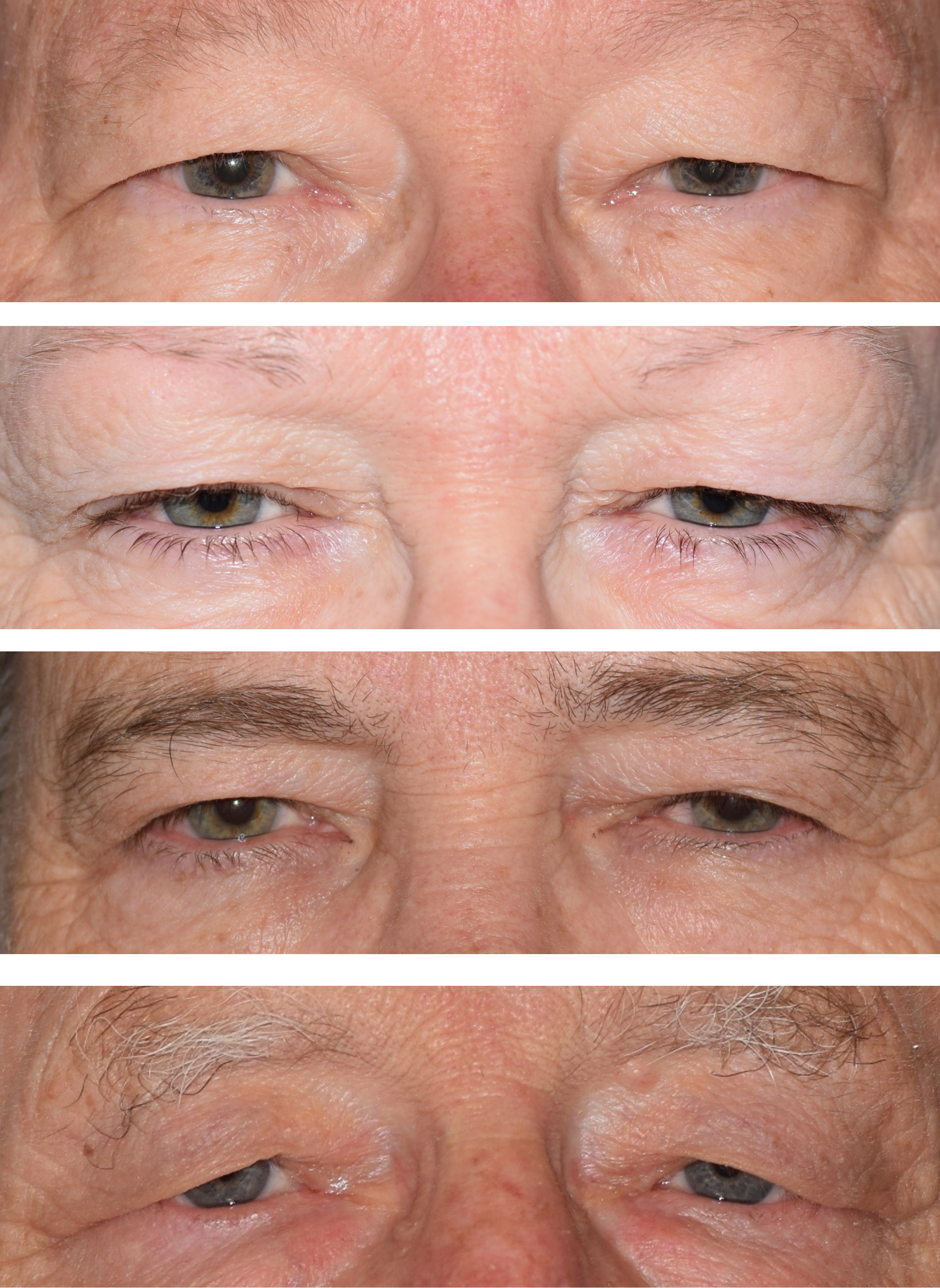
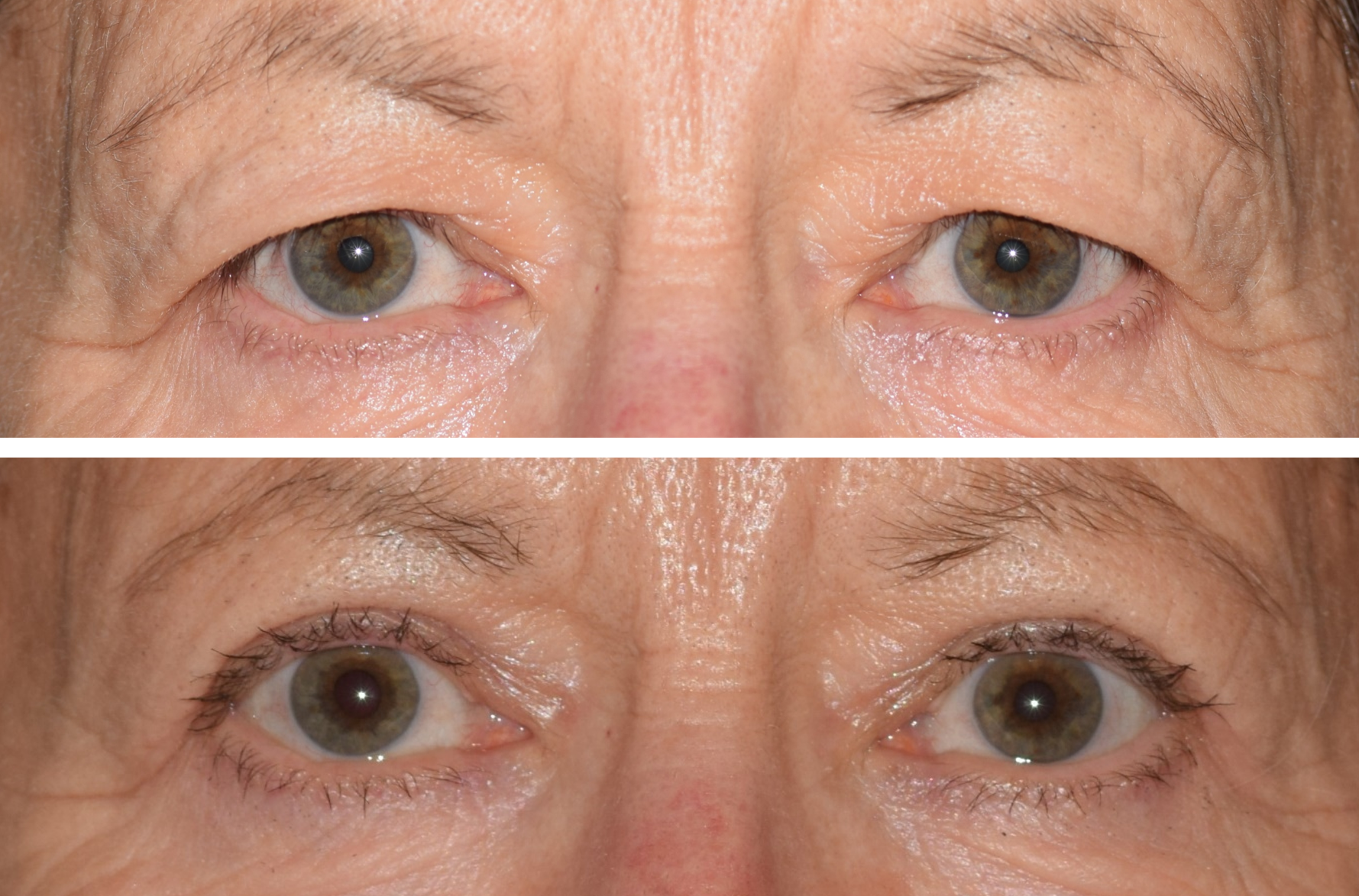
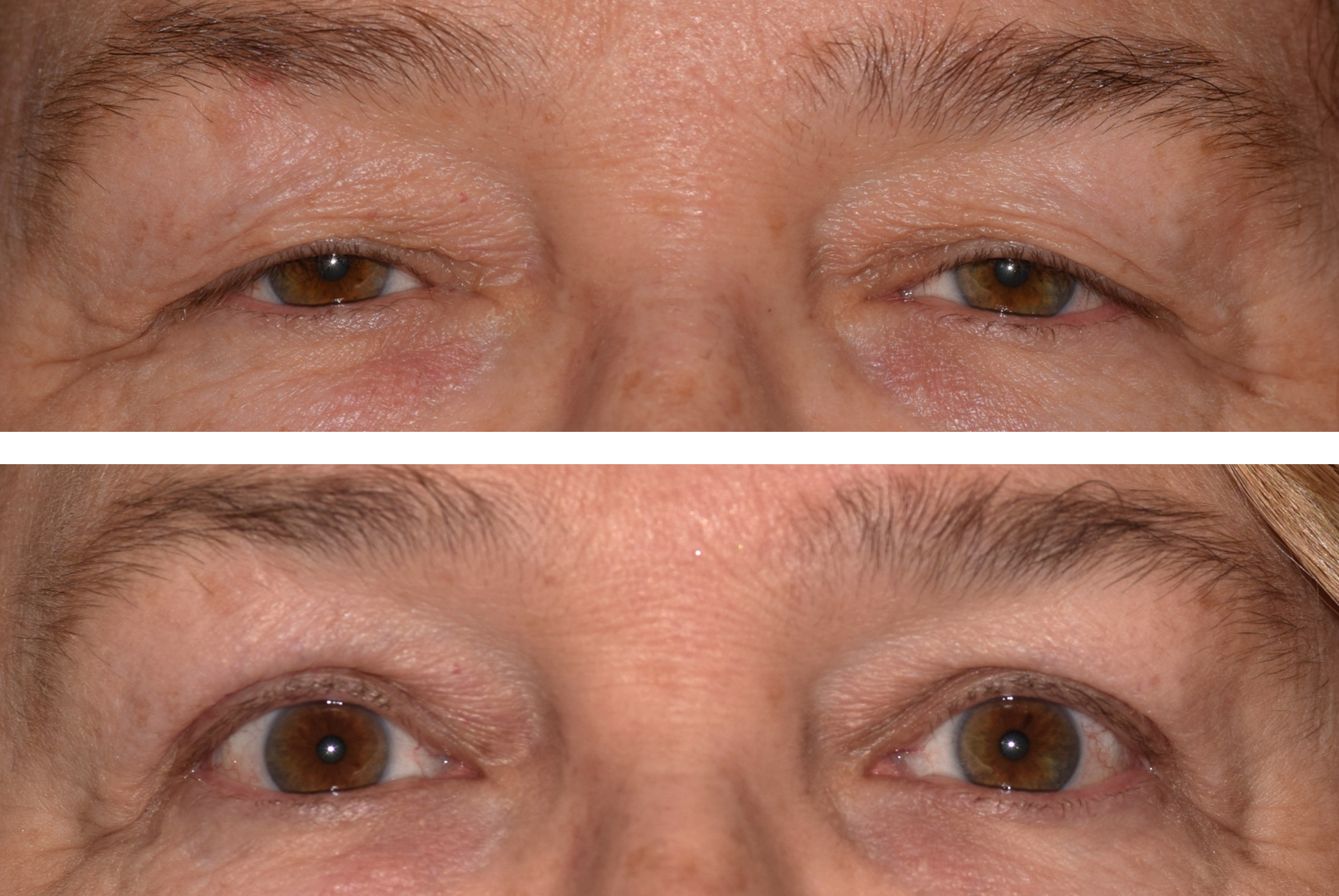
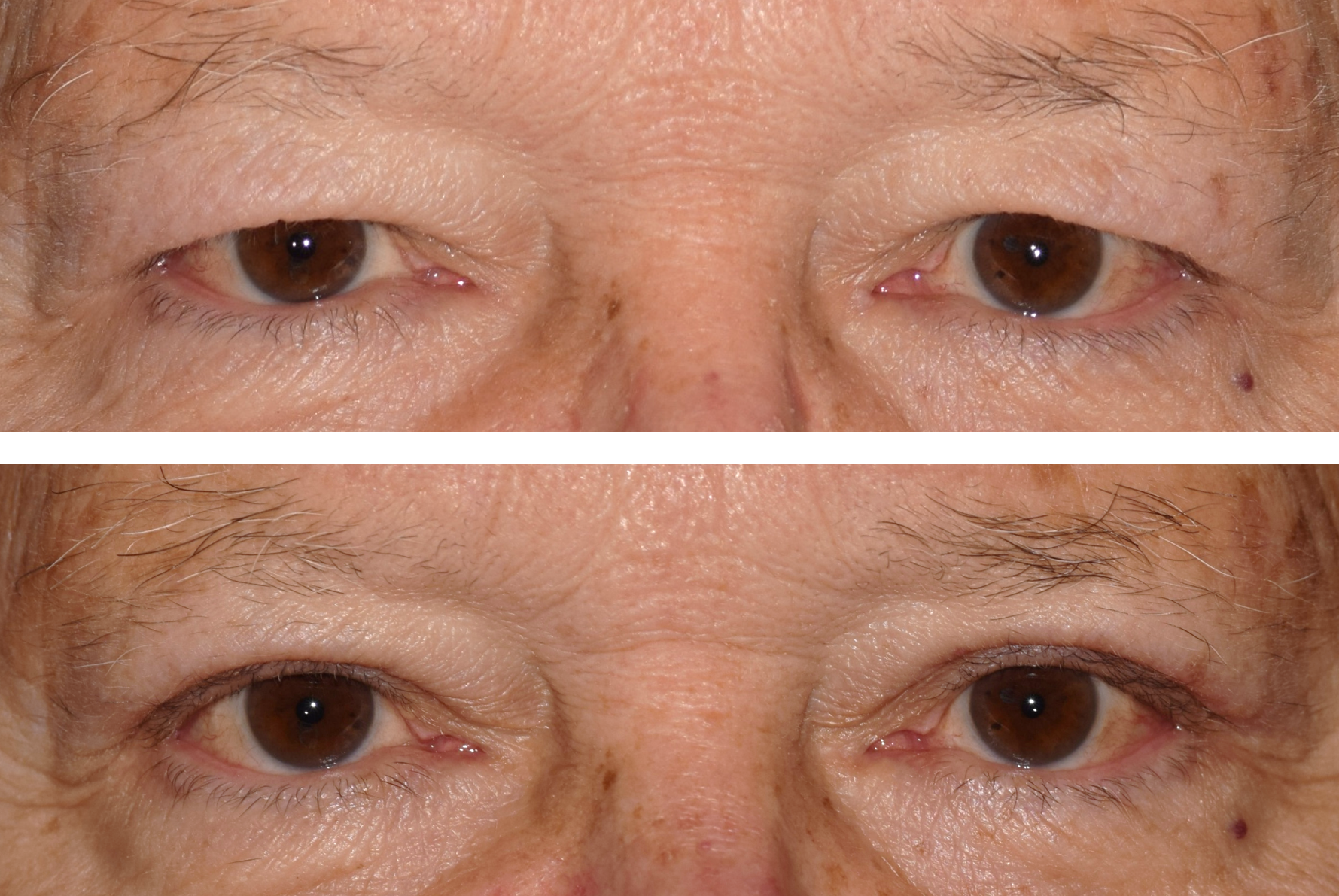
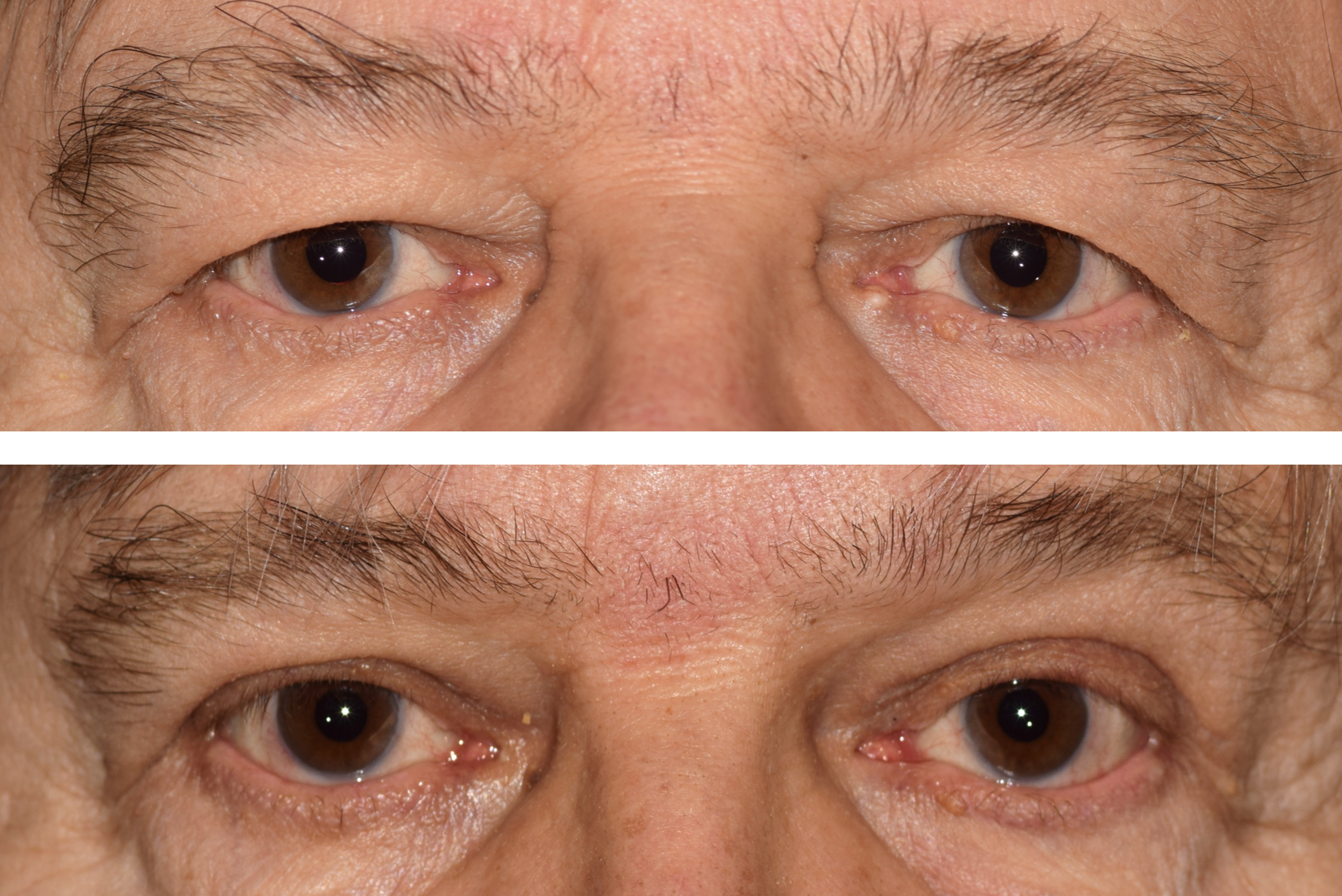
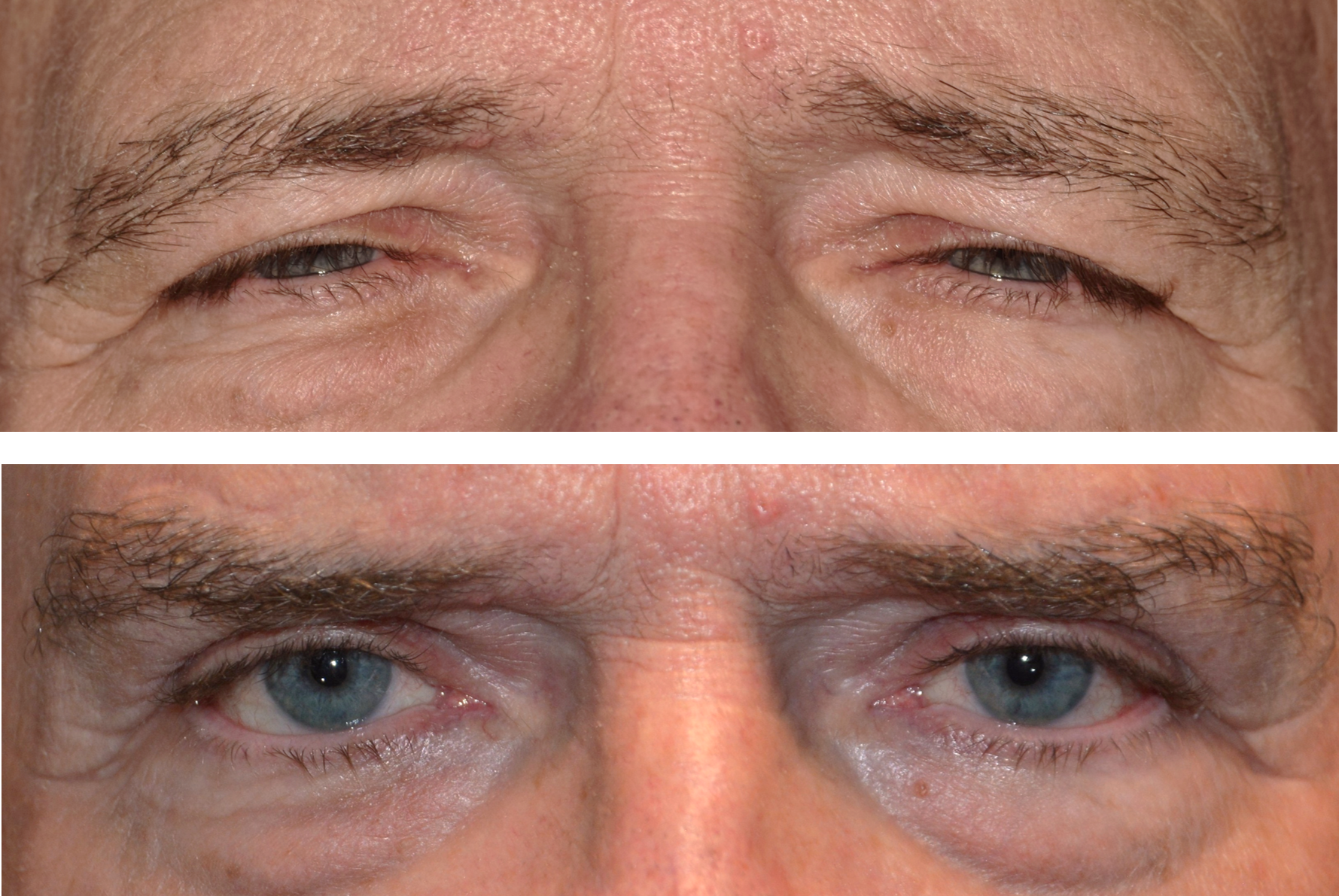
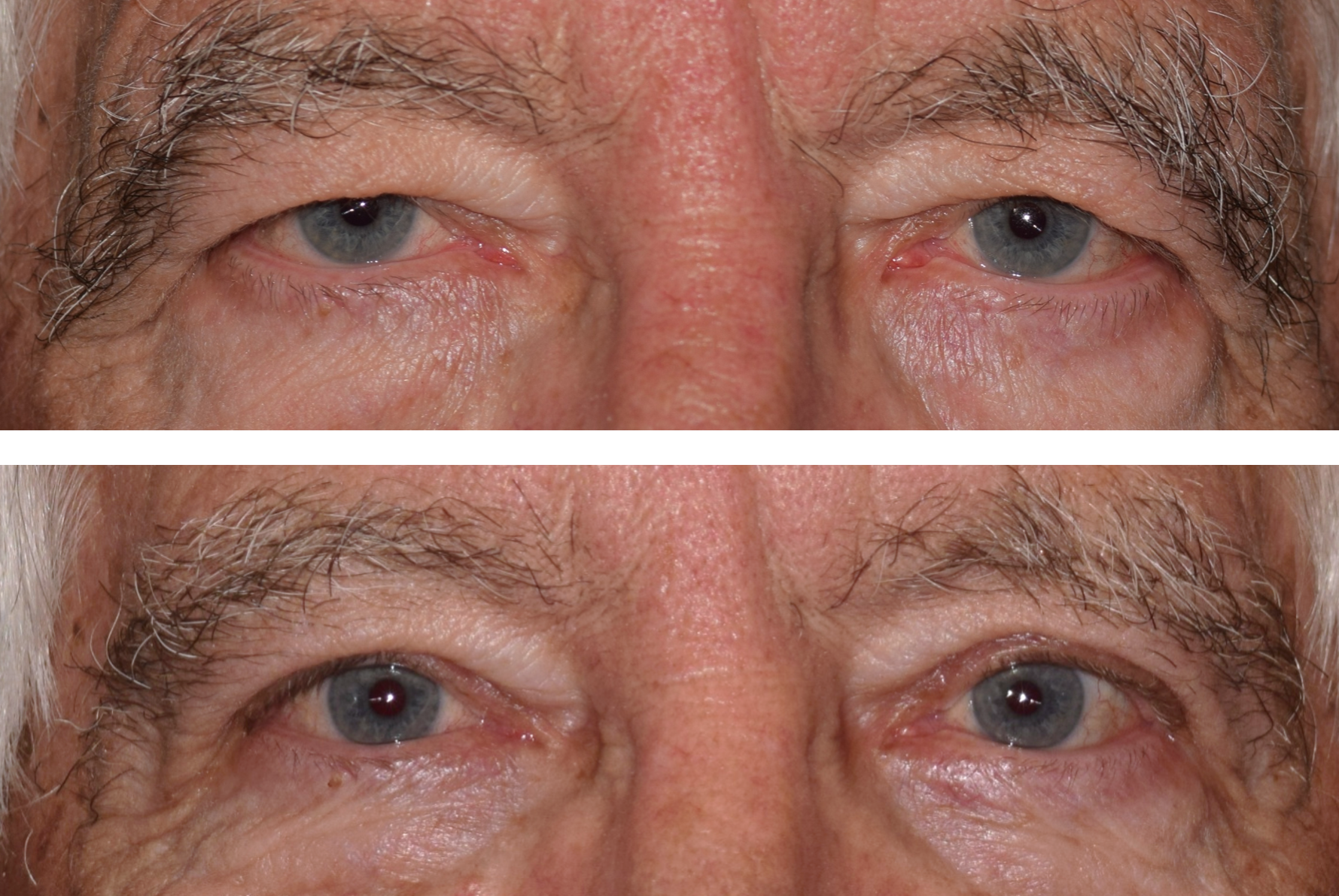
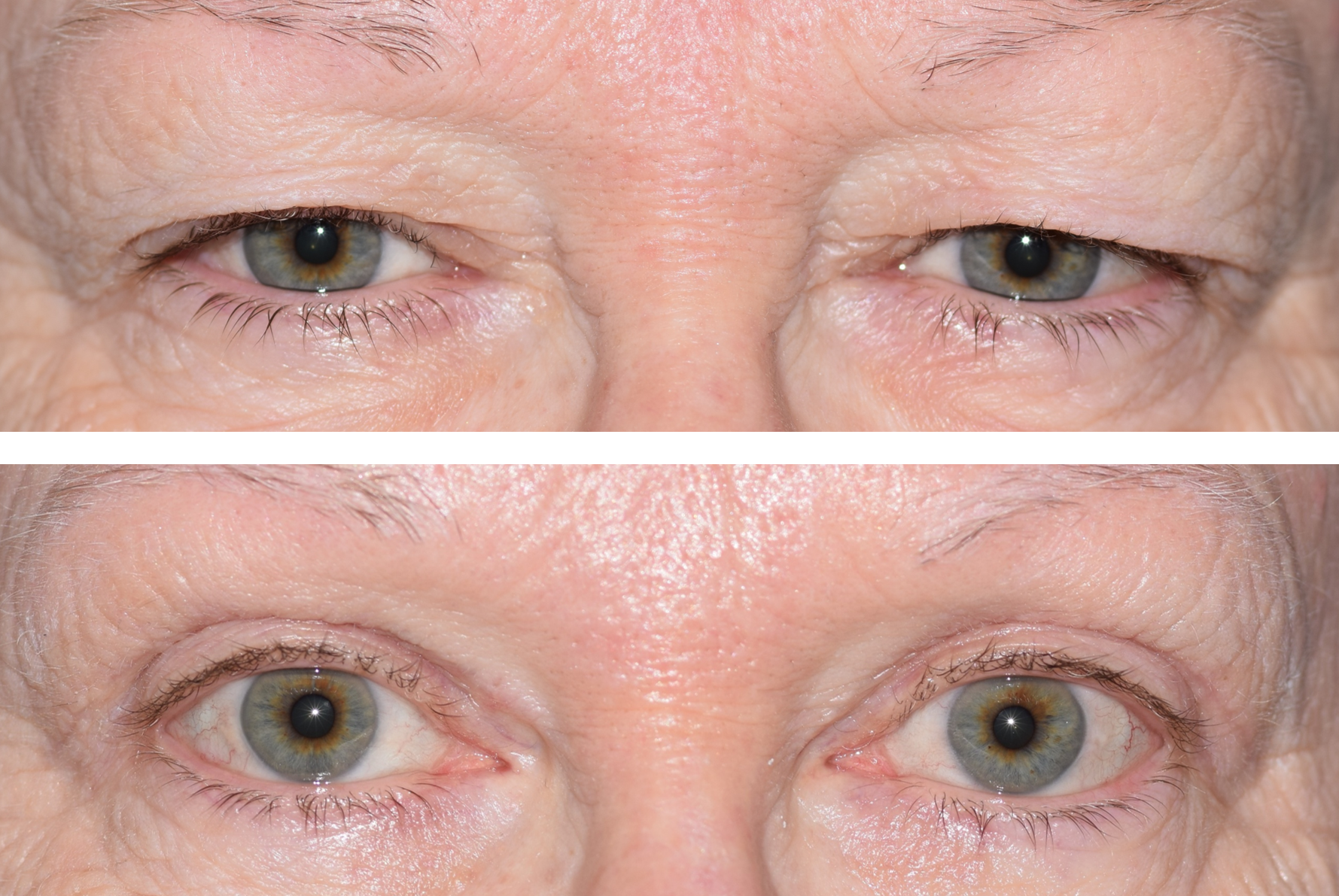
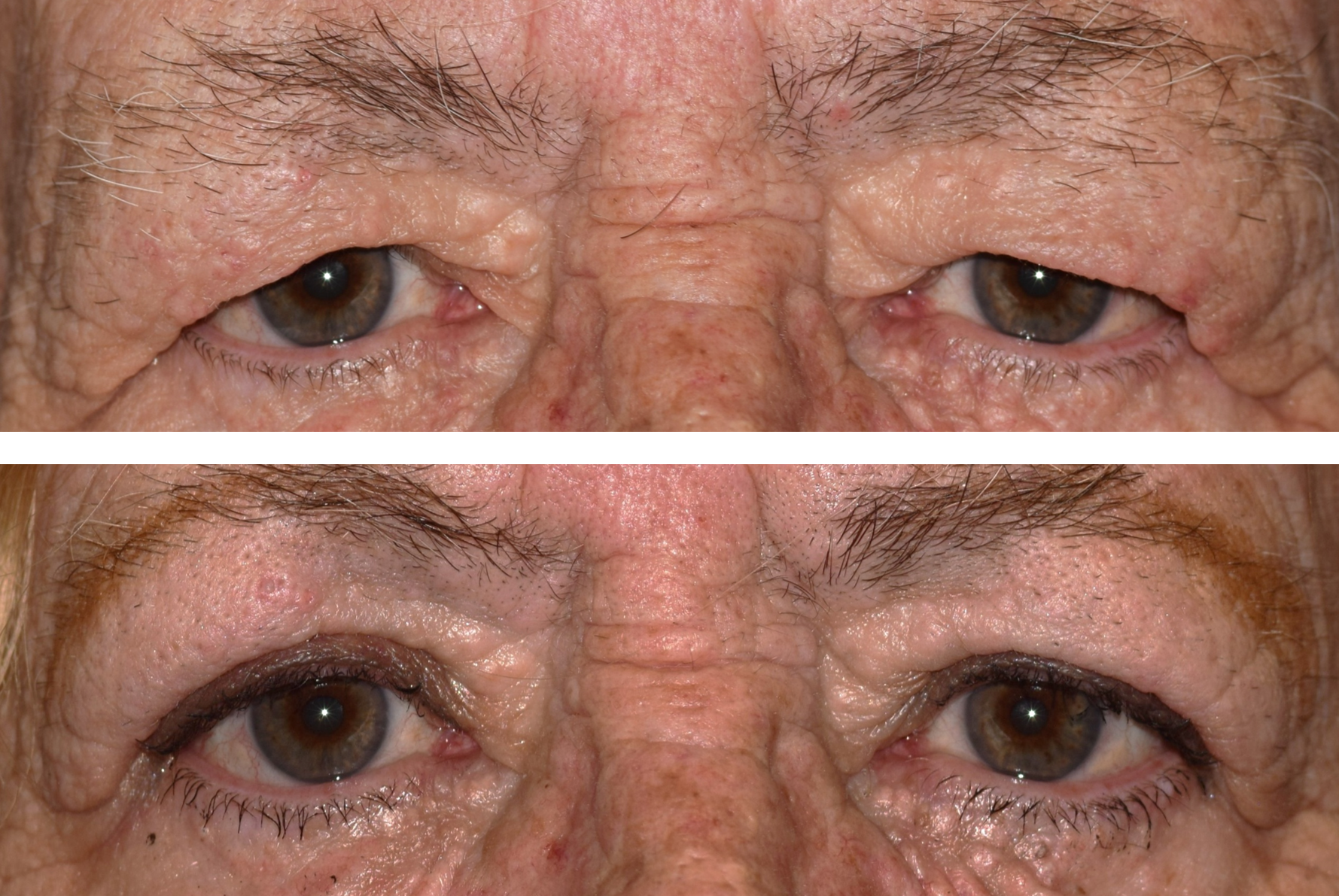
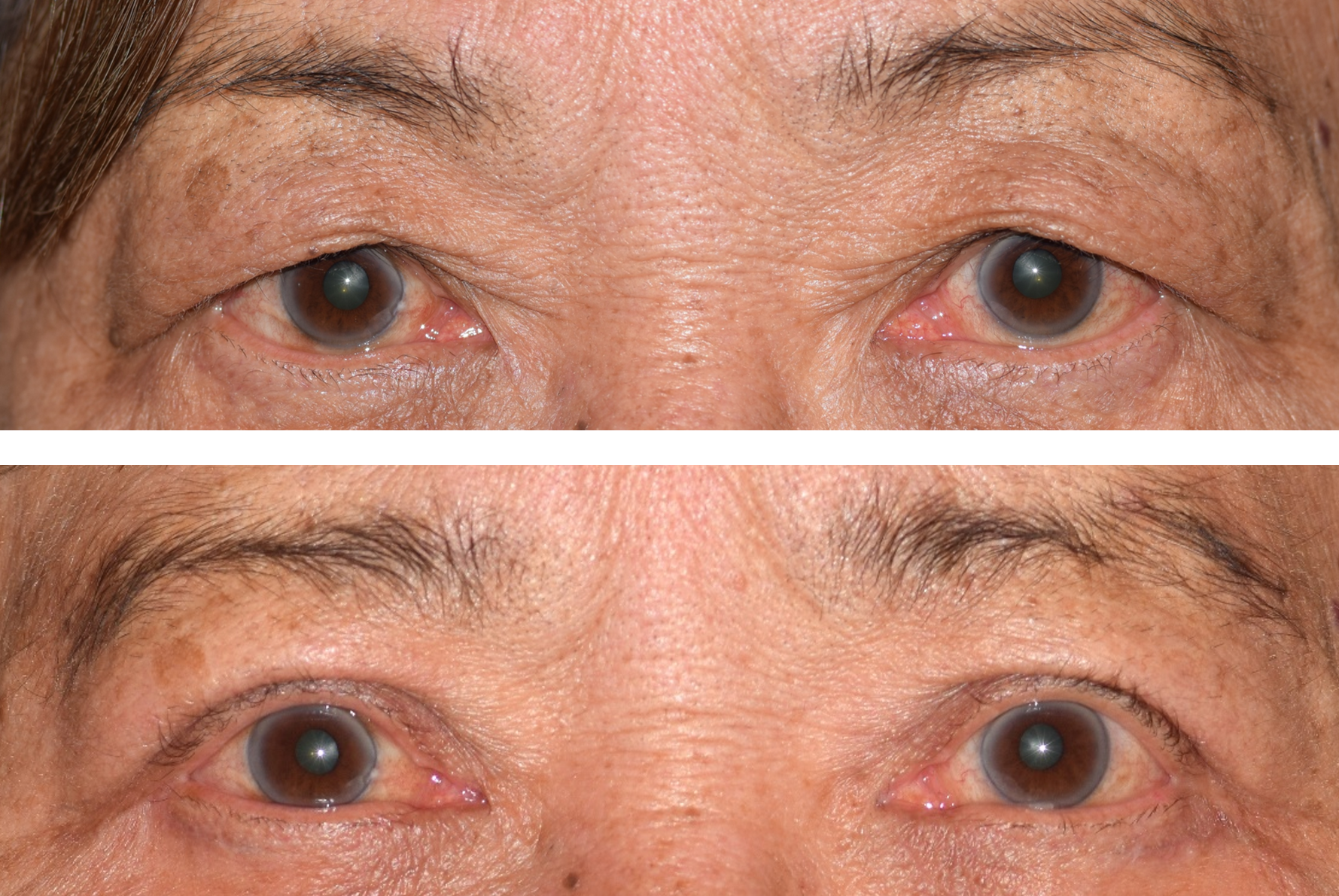
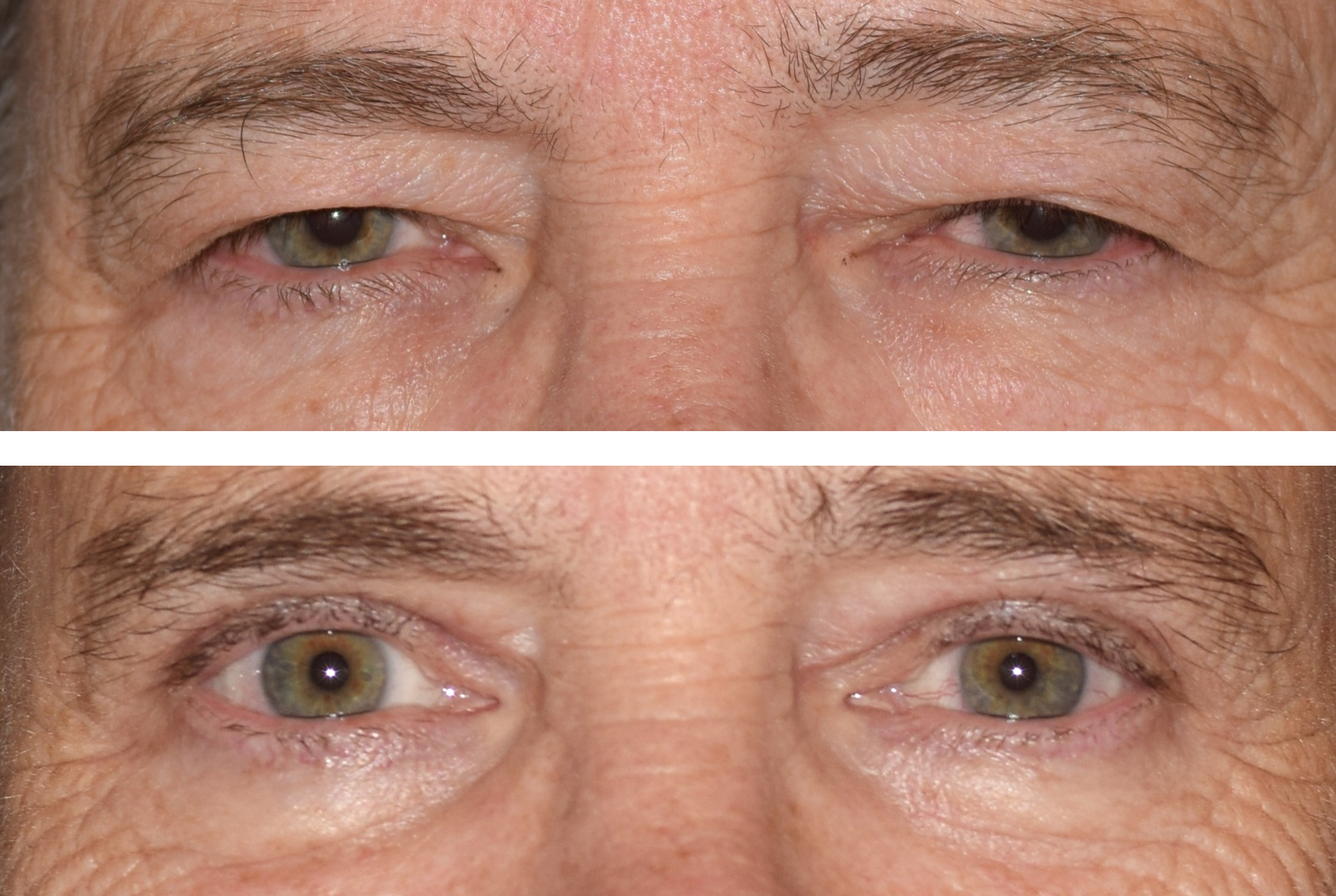
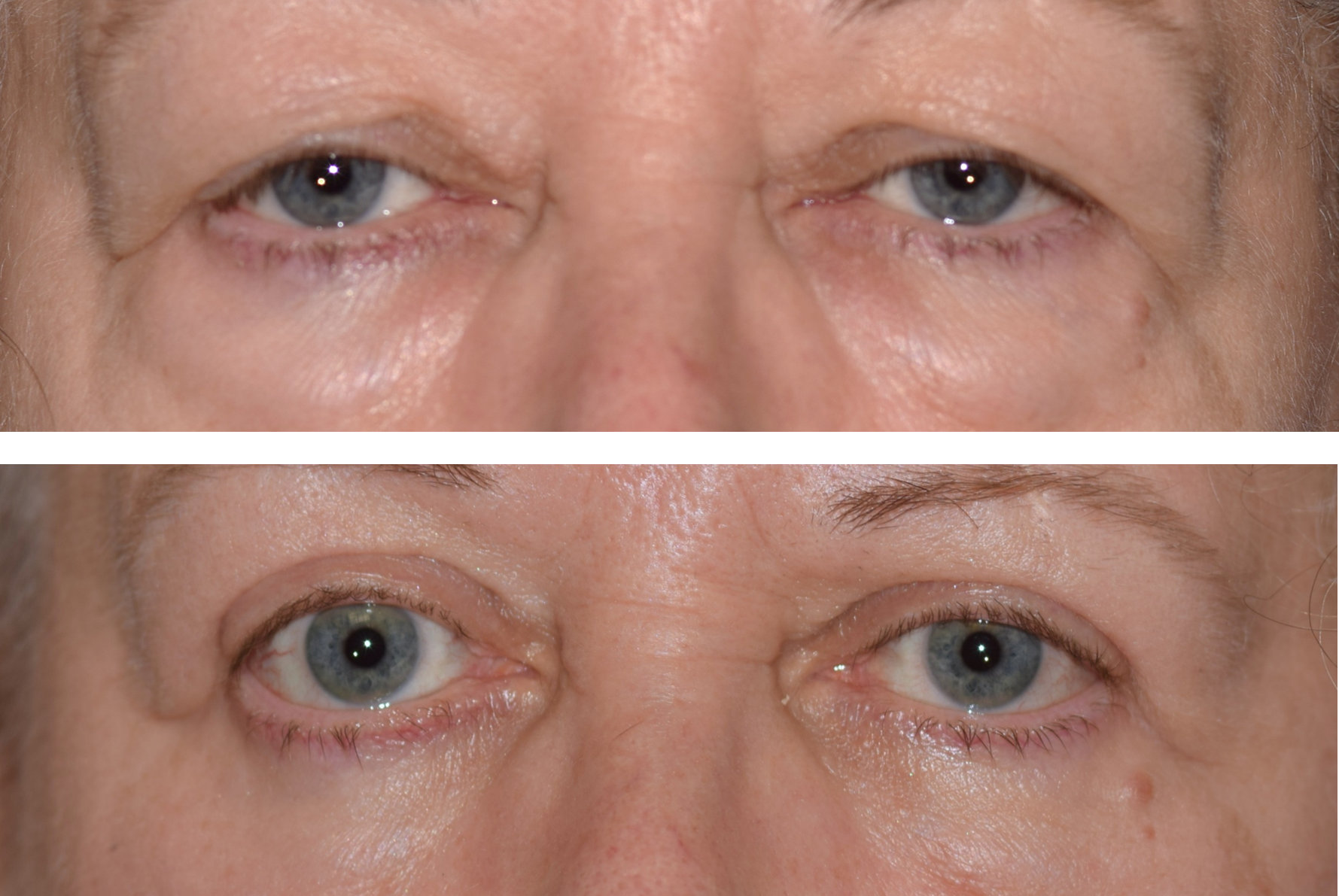
Upper eyelid blepharoplasty is a procedure to remove excess skin and/or fat from the upper eyelids, and is one of the most common types of plastic surgery procedures performed worldwide.
Some people are born with naturally more hooded eyelids. Other patients become more bothered by excess eyelid skin as they age. Eyelid skin is the thinnest skin in the body, and is prone to stretching out over time as skin loses elasticity. Additionally, some patients can experience concurrent sagging eye brows, and excess fat pockets which may contribute to the feeling of heaviness on your eyelids. Upper blepharoplasty is typically an outpatient procedure. Prior to the procedure, your surgeon will discuss with you to make sure they understand your goals. Designing the blepharoplasty incision carefully is critical in ensuring that you get the result that you want - the amount of skin, shape of the incision, placement of the incision, and need for concurrent fat sculpting are all things that specialists like Dr. Pelton and Dr. Yu pay meticulous attention to.
How do I know if I would benefit from an upper blepharoplasty?
In addition to a feeling of heaviness of the eyelids, patients with excess upper eyelid skin or hooding can experience reduced peripheral vision, inability to wear eye makeup such as mascara or eyeliner, eye fatigue, and headaches. Blepharoplasty can reduce or get rid of these vision problems, as well as help the eyes to appear more alert.
What goes into your evaluation?
At your meeting with Dr. Pelton or Dr. Yu, your doctor will perform a thorough exam to evaluate your facial and periocular anatomy.
A feeling of heaviness of your eyelids can be caused by sagging brows (brow ptosis), excess skin of the upper eyelids (dermatochalasis), and/or droopy eyelid lifting muscles (ptosis). In addition, some patients may have drooping of their eyelashes (lash ptosis) contributing to the visual obstruction. After a complete exam, your doctor will review your goals with you to determine together the optimal plan for addressing your symptoms. As everyone's facial anatomy and goals are different, it is important to see an expert, such as oculofacial surgeon.
Will insurance cover
this procedure?
That depends - insurance has strict criteria that must be met in order for an upper eyelid blepharoplasty to be covered, and some insurances require additional testing as well. Dr. Pelton and Dr. Yu will carefully evaluate you at your appointment to see if insurance requirements can be met.
What is the healing like after
an upper blepharoplasty?
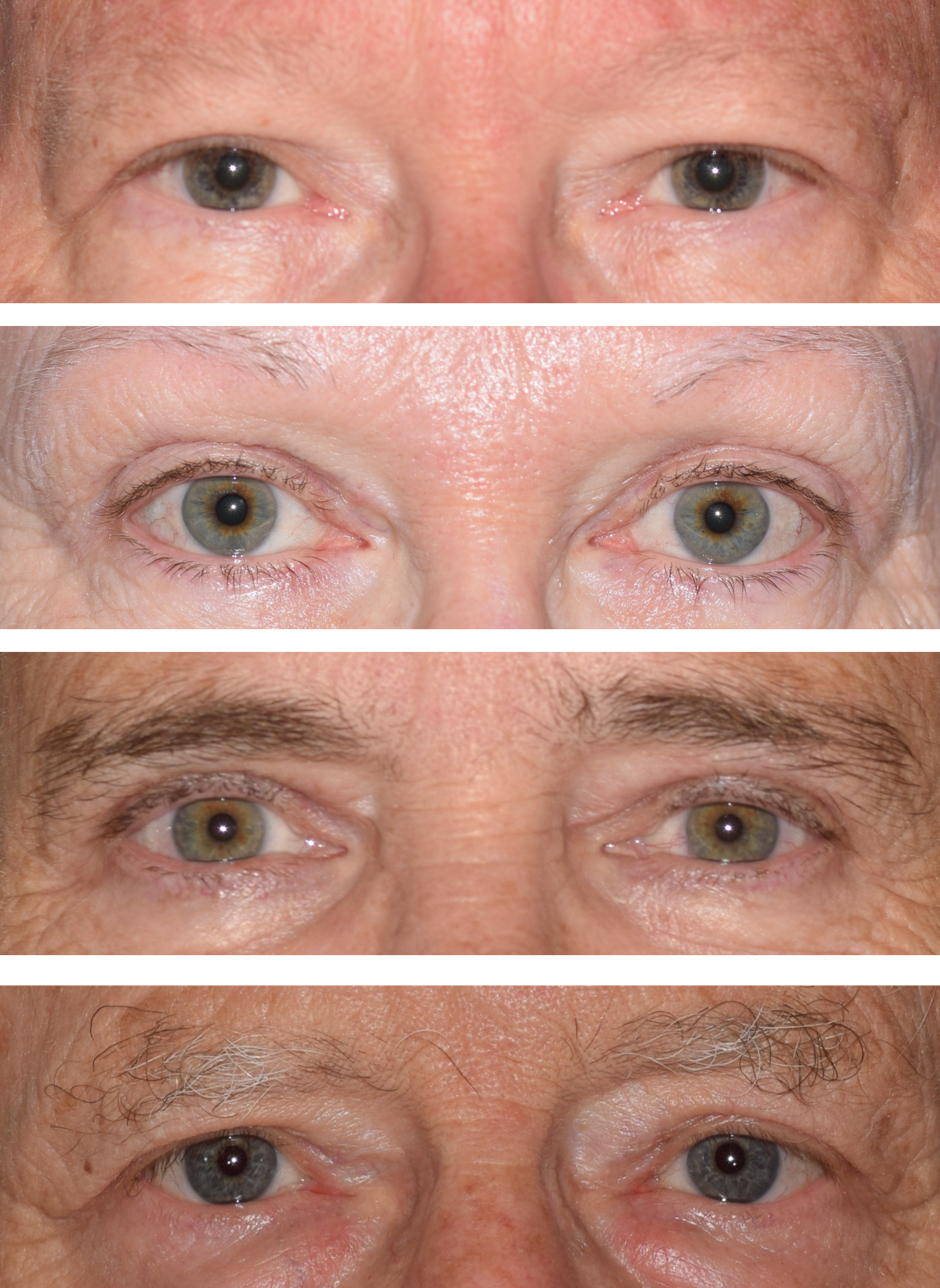
Healing after eyelid surgery will take up to a full year for the incisions to fully mature, but you will experience an improvement soon after your surgery.
Most patients experience swelling and bruising in the initial 1-2 weeks, and sutures will be removed for you at your follow up appointment 10 to 14 days after your procedure. Pain is usually well managed with over the counter medications like Tylenol, and your vision will not be significantly impacted by the procedure. After 1 week of light activity, you may return to your regular lifestyle. Your surgeons will give you instructions specific to your care at the time of your surgery.
All patients leave with Dr. Pelton's and Dr. Yu's personal contacts after their procedure so they can reach out with any questions or concerns.
What is a lower blepharoplasty?
Many people have noticed changes to their lower eyelid appearance, and sometimes these changes can affect how others perceive you.
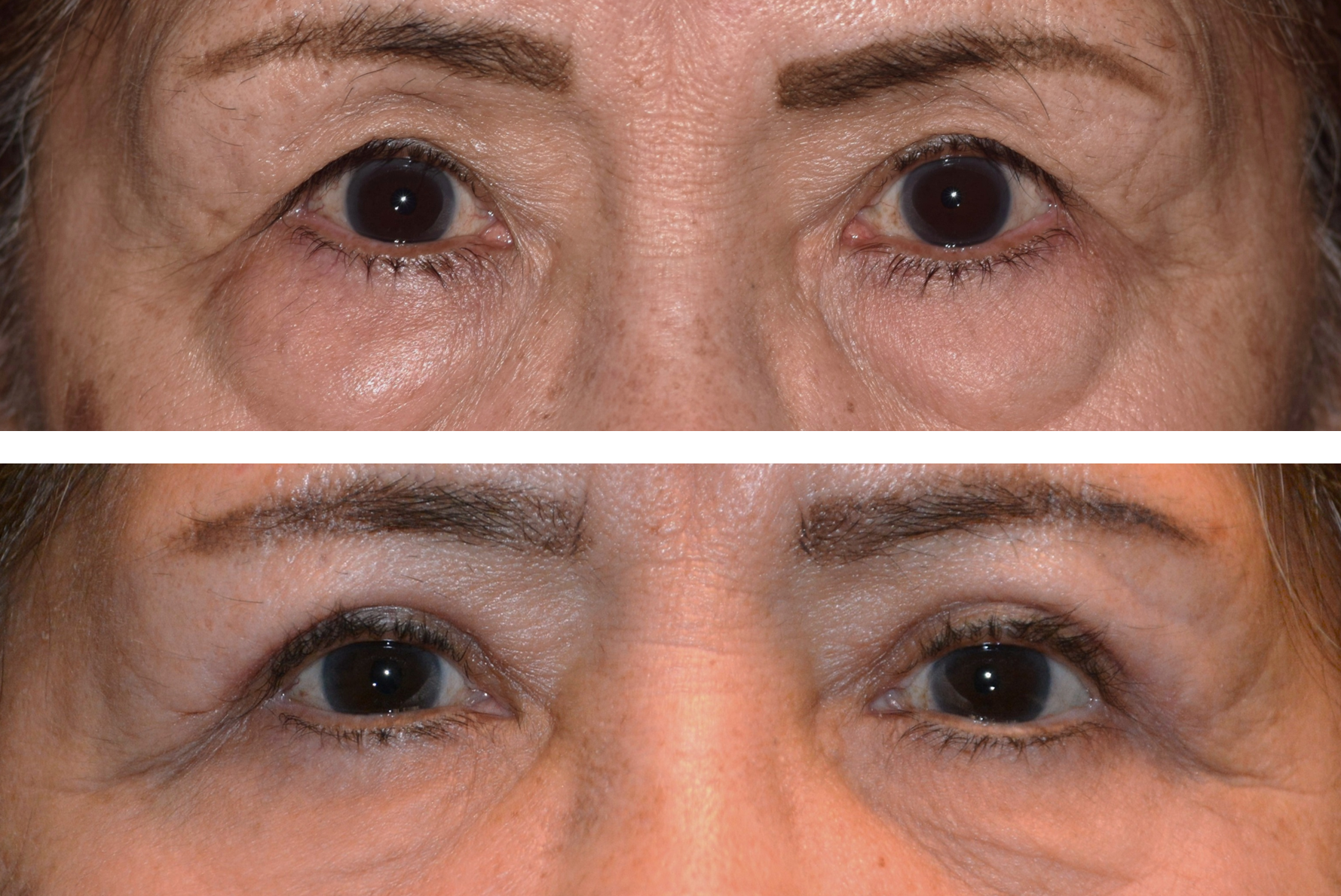
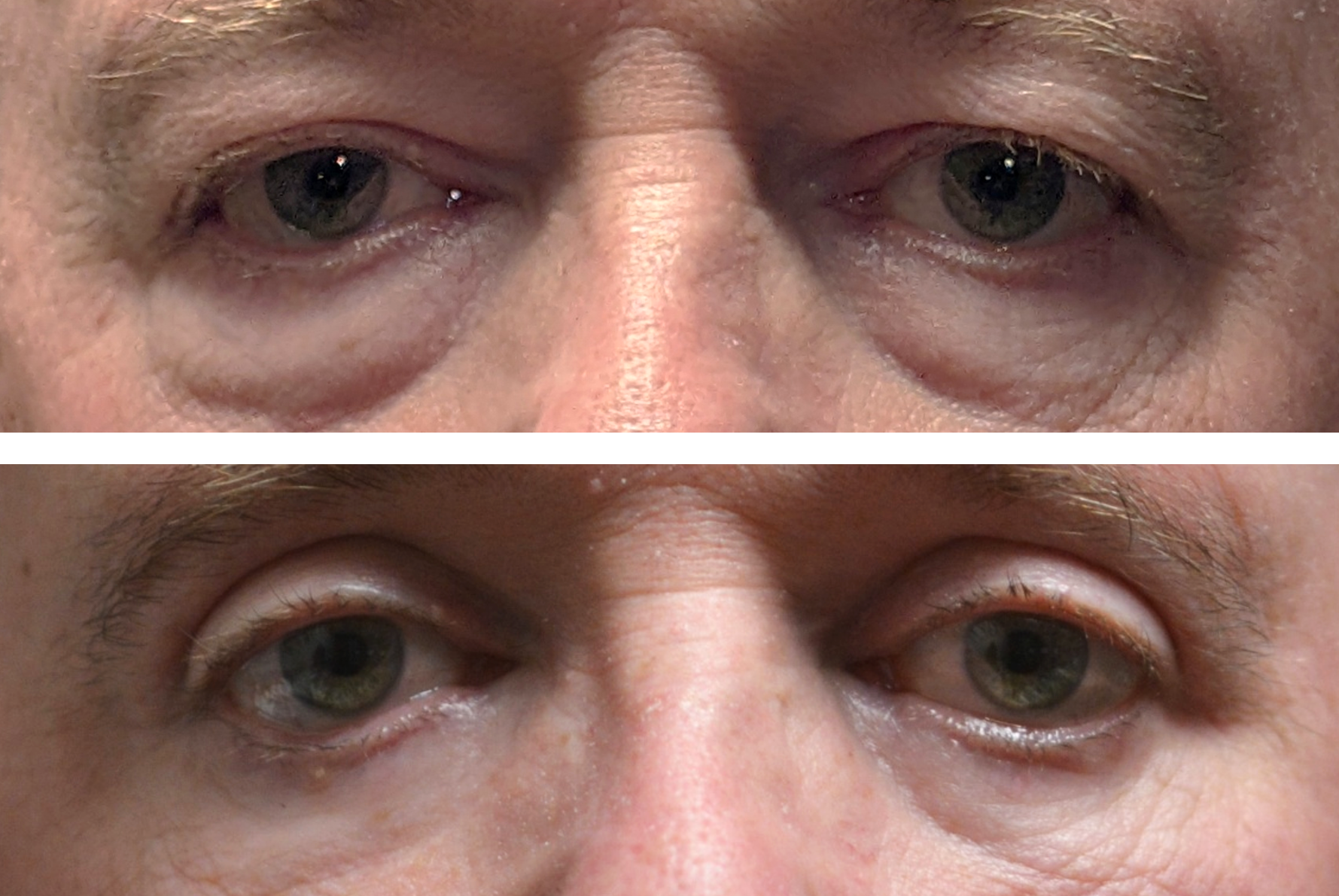
For some patients, this can be fat herniation, causing the appearance of puffy or baggy lower eyelids. Others can have changes to their skin quality causing darkening or crinkling of the lower eyelid skin. Finally, some patients lose volume on their face over time, and this can cause hollowing of the lower eyelid and midface area causing increased shadowing and darkening.
The best way to address your lower lids will be dependent on your facial anatomy and goals. Drs. Pelton and Yu take pride in customizing treatments to each patient to deliver the best possible results.
Lower blepharoplasties are not covered by insurance. The doctors will give you a quote at your consultation
Before & Afters
-
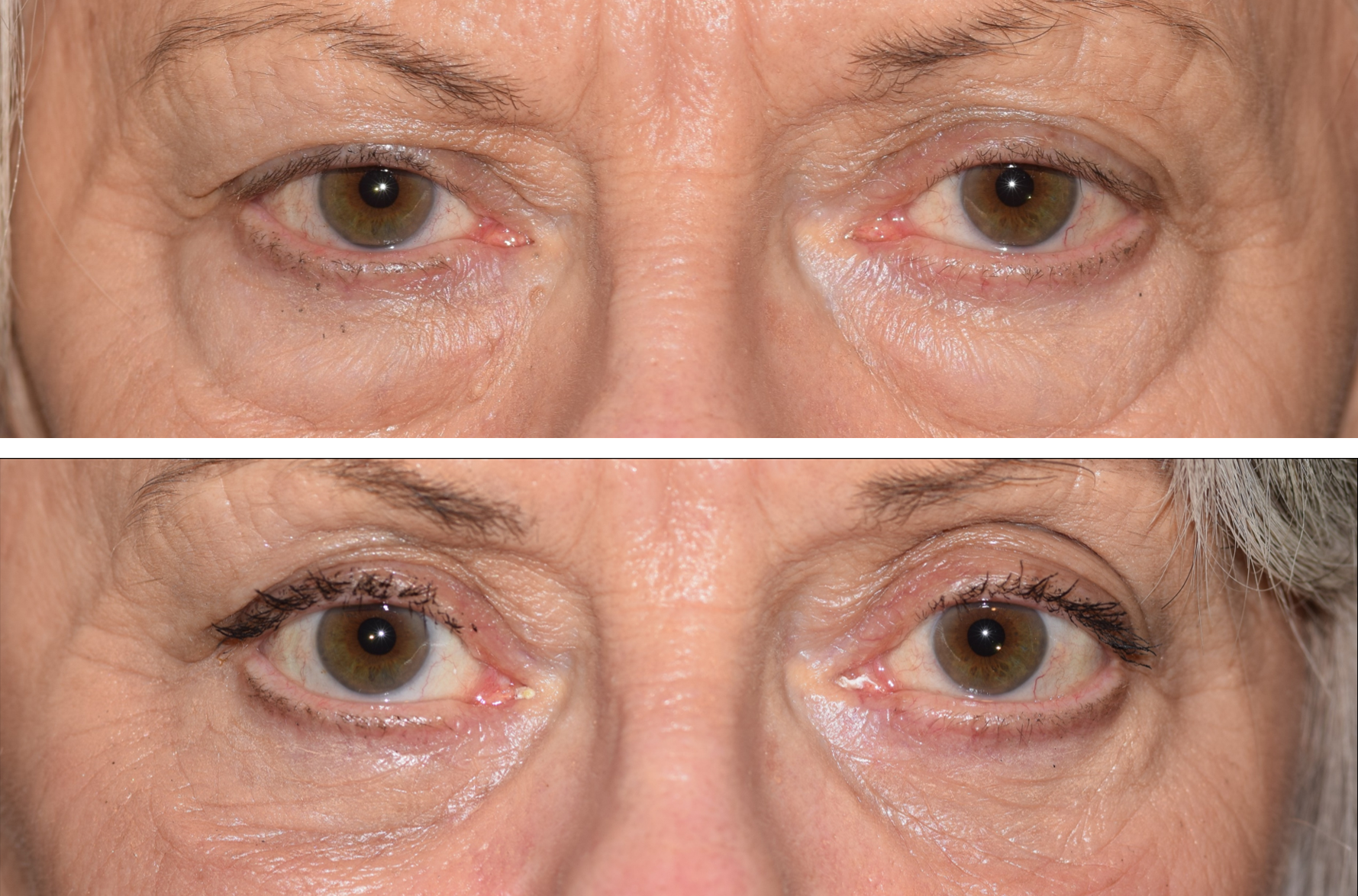
![This is a before and after photo of an upper and lower blepharoplasty done by Dr. Ron Pelton. The after photo shows her eyelids lifted and her under eye bags gone]()
Upper & Lower Blepharoplasty
-
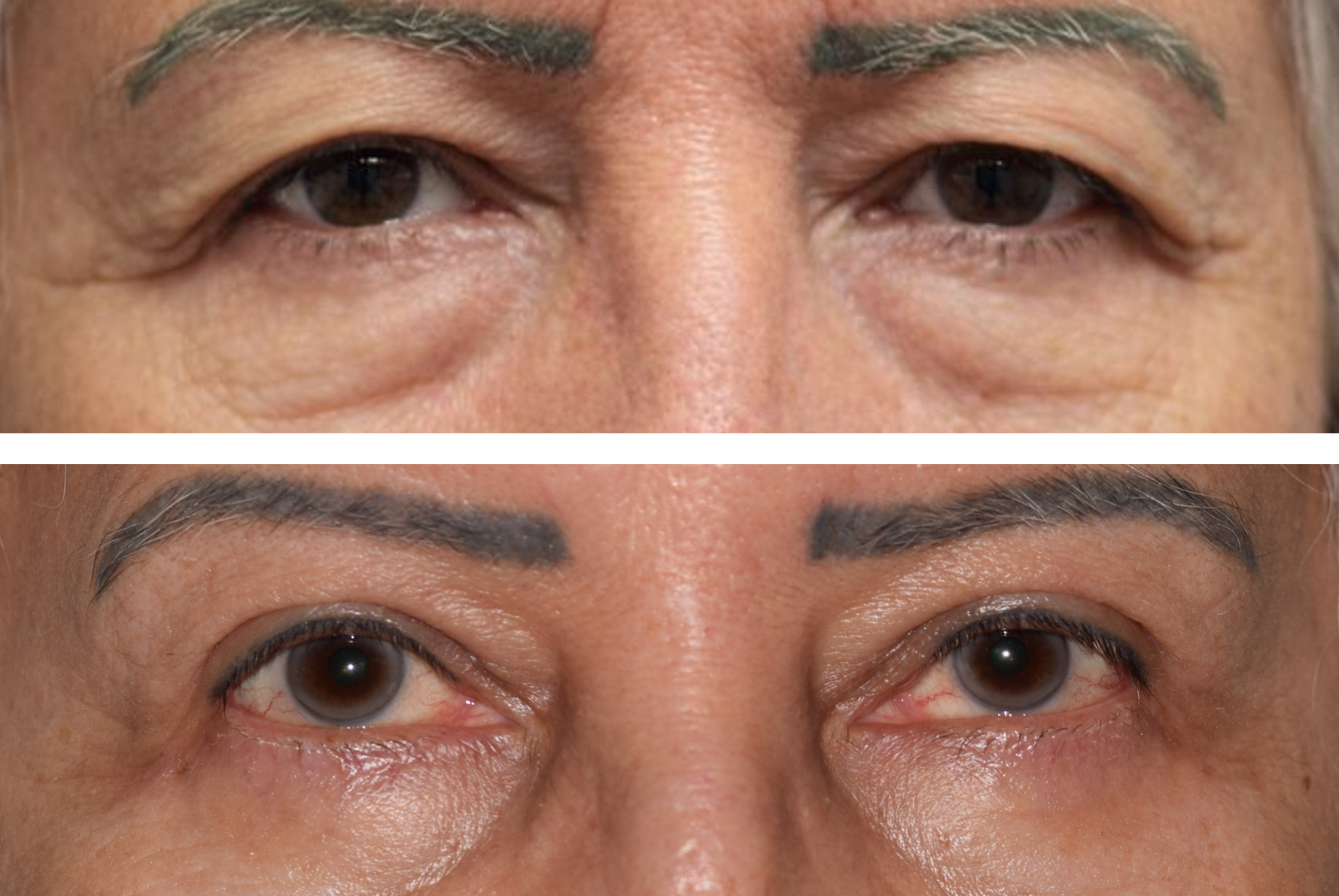
![Comparison of the eyes of an individual, showing the eyelids and surrounding skin with visible differences in skin texture and wrinkles after an upper and lower blepharoplasty surgery performed by Dr. Caroline Yu]()
UPPER & LOWER BLEPHAROPLASTY
-
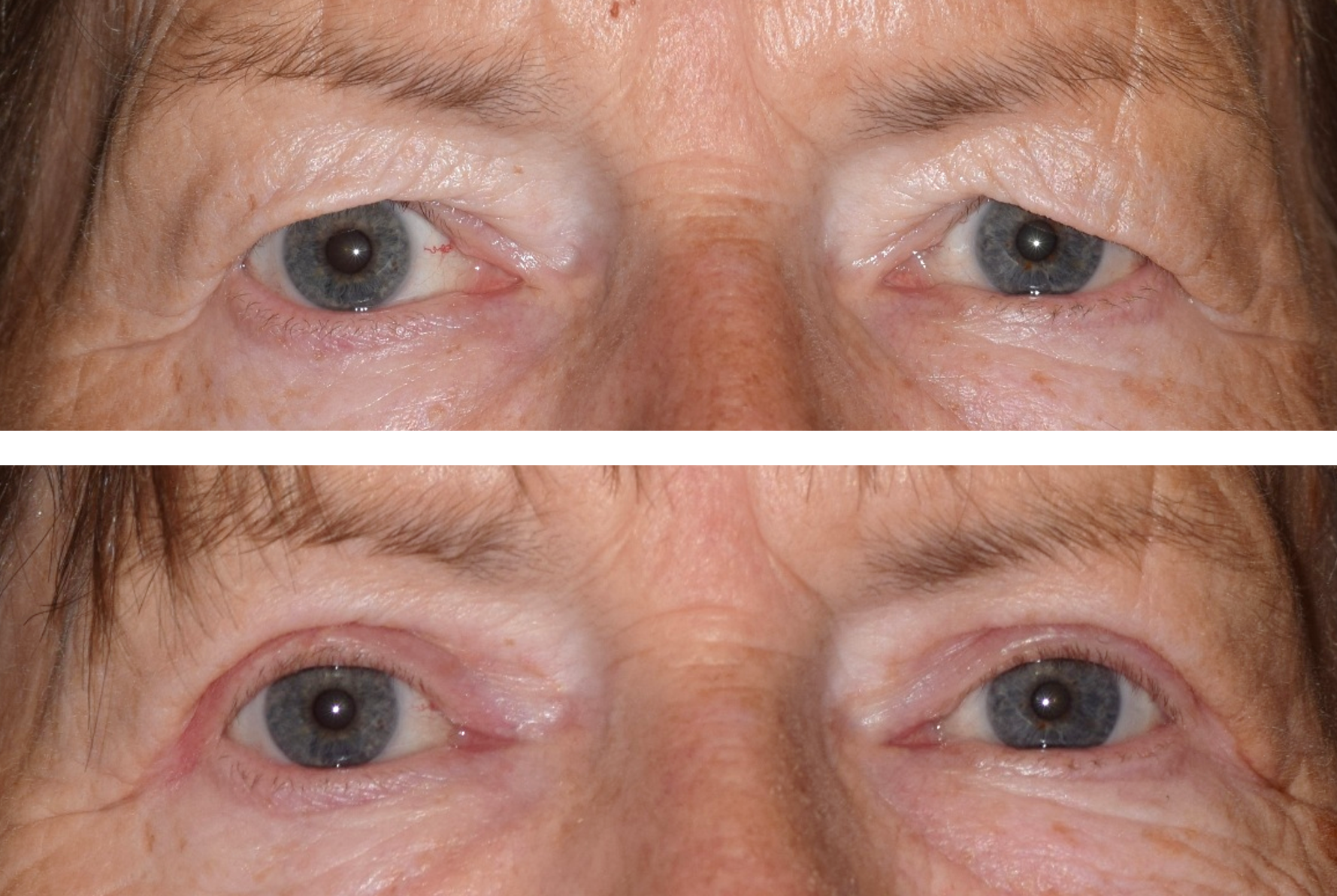
![Pictured is a before and after photo after an upper eyelid lid, also called a blepharoplasty done by Dr. Ron Pelton. This surgery removes excess skin on the eyelids and improves vision]()
Upper Eyelid Blepharoplasty
-
![Pictured is a before and after photo after an upper eyelid lid, also called a blepharoplasty done by Dr. Ron Pelton. This surgery removes excess skin on the eyelids and improves vision]()
Upper Eyelid Blepharoplasty
-
![Pictured is a before and after photo after an upper eyelid lid, also called a blepharoplasty done by Dr. Ron Pelton. This surgery removes excess skin on the eyelids and improves vision]()
Upper Eyelid Blepharoplasty
-
![Before and after image of a young woman who got an upper eyelid blepharoplasty done by Dr. Caroline Yu]()
Upper Eyelid Blepharoplasty
-
![This is a before and after photo of an upper and lower blepharoplasty done by Dr. Caroline Yu. The after photo shows her eyelids lifted and her under eye bags gone]()
UPPER & LOWER BLEPHAROPLASTY
-
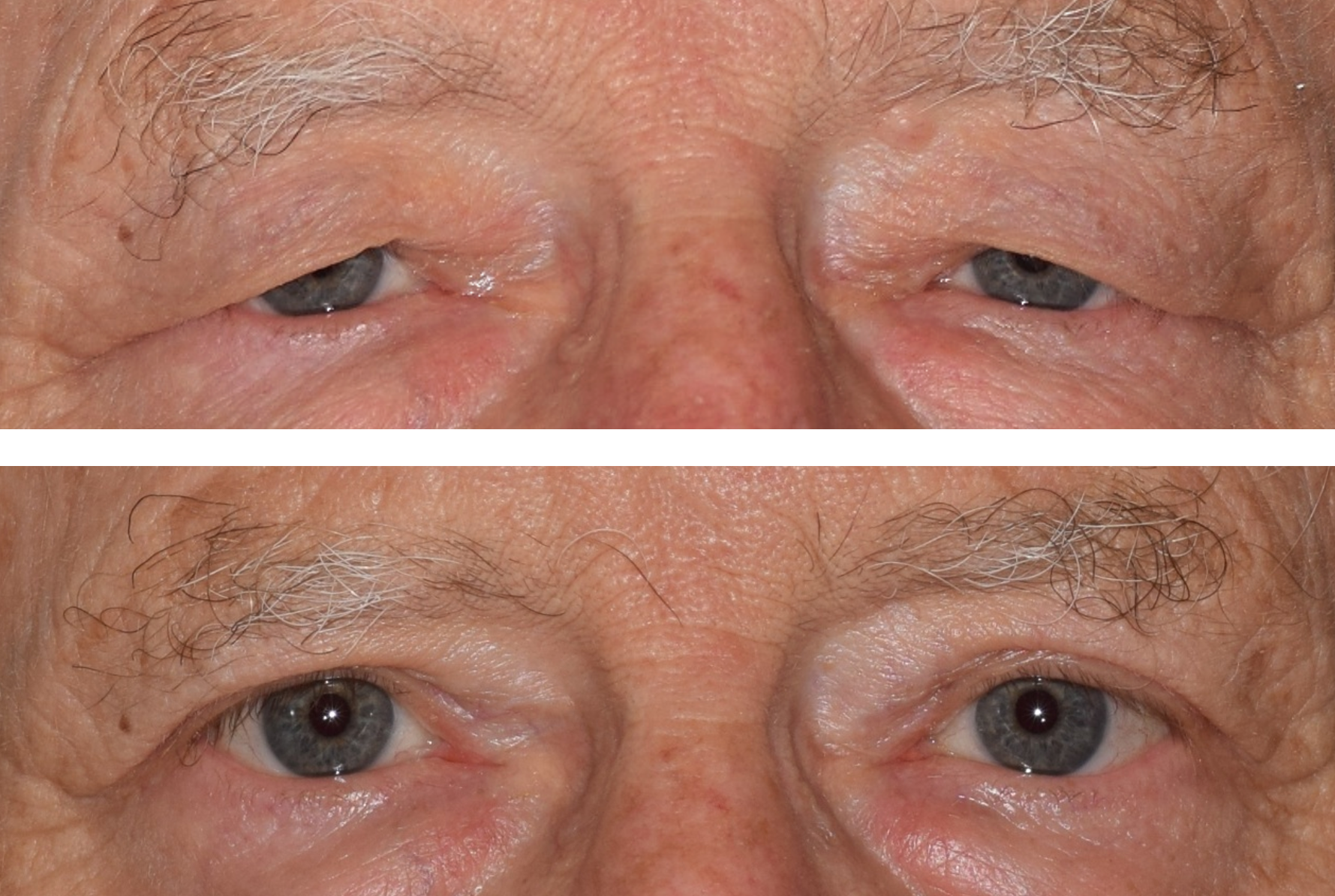
![This image shows a man before his blepharoplasty with his eyelids hooded and after his blepharoplasty performed by Dr. Caroline Yu which makes his eyes look more awake and normal]()
Upper Eyelid Blepharoplasty
-
![Pictured is a male with before and after photos after getting an upper eyelid blepharoplasty performed by Dr. Caroline Yu. The after photo shows him more awake and vision has improved.]()
Upper Eyelid Blepharoplasty
-
![Pictured is a male's before and after results after an upper eyelid lift blepharoplasty and brow lift performed by Dr. Caroline Yu making his eyes more visible and not obstructing his view anymore]()
Upper Blepharoplasty and Brow Ptosis Repair
-
![An older gentleman showing a before and after of his blepharoplasty and eyebrow ptosis surgery performed by Dr. Caroline Yu]()
Upper Blepharoplasty & Brow Ptosis Repair
-
![Pictured is a before and after photo after an upper eyelid lid, also called a blepharoplasty done by Dr. Ron Pelton. This surgery removes excess skin on the eyelids and improves vision]()
Upper Eyelid Blepharoplasty
-
![Pictured is a before and after photo of a woman after getting her eyelid lift upper blepharoplasty performed by Dr. Caroline Yu. After her eyelid lift- she looks more alert and her visual field is not obstructed by excess skin]()
Upper Eyelid Blepharoplasty
-
![Pictured is a before and after photo after an upper eyelid lid, also called a blepharoplasty done by Dr. Ron Pelton. This surgery removes excess skin on the eyelids and improves vision]()
Upper Eyelid Blepharoplasty
-
![Pictured is a before and after photo after an upper eyelid lid, also called a blepharoplasty done by Dr. Ron Pelton. This surgery removes excess skin on the eyelids and improves vision]()
Upper Eyelid Blepharoplasty
-
![This is a before and after photo of an upper and lower blepharoplasty done by Dr. Caroline Yu. The after photo shows her eyelids lifted and her under eye bags gone]()
Upper and Lower Blepharoplasty